

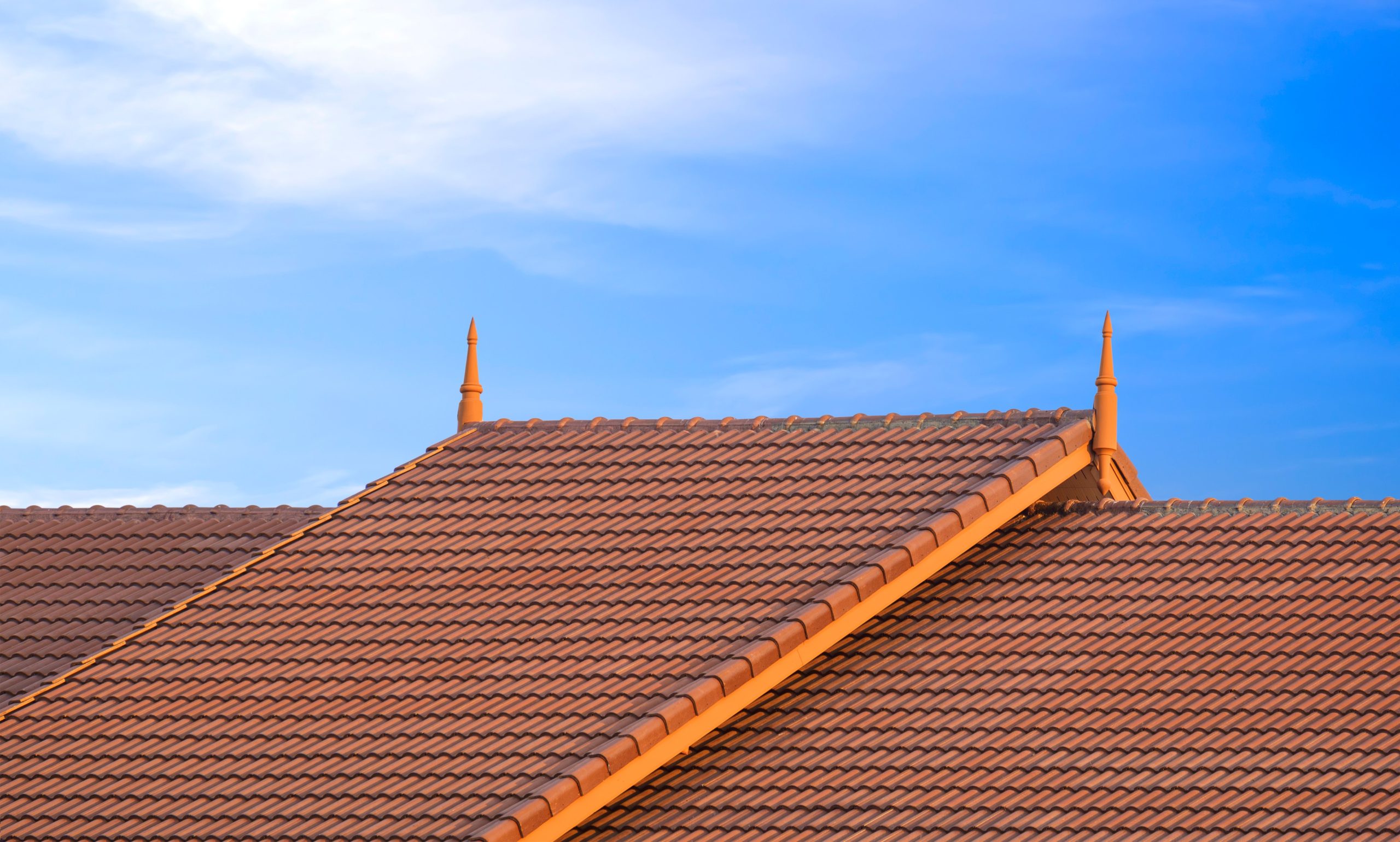
A roof does more than cover a structure. It protects the building envelope from sun, wind, rain, and temperature fluctuations, which test roofing materials year after year. When you are considering options for a new roof, particularly in a warm or coastal climate, performance under heat and environmental stress becomes a top priority.
A Spanish clay tile roof is often associated with timeless Mediterranean design, but its appeal goes far beyond style. It is also about material science and longevity. Clay has been used as a roofing material for thousands of years. In fact, archaeological evidence shows that fired clay roof tiles were used in ancient Greece and Rome, demonstrating how long this material has served as a durable solution in hot climates.
This article reviews how a Spanish clay tile roof performs under intense heat, UV exposure, wind, salt air, and seasonal temperature changes, and why it is still a trusted roofing material in today’s roofing industry.
 Before You Choose a Spanish Clay Tile Roof: What to Know About Performance
 Before You Choose a Spanish Clay Tile Roof: What to Know About Performance
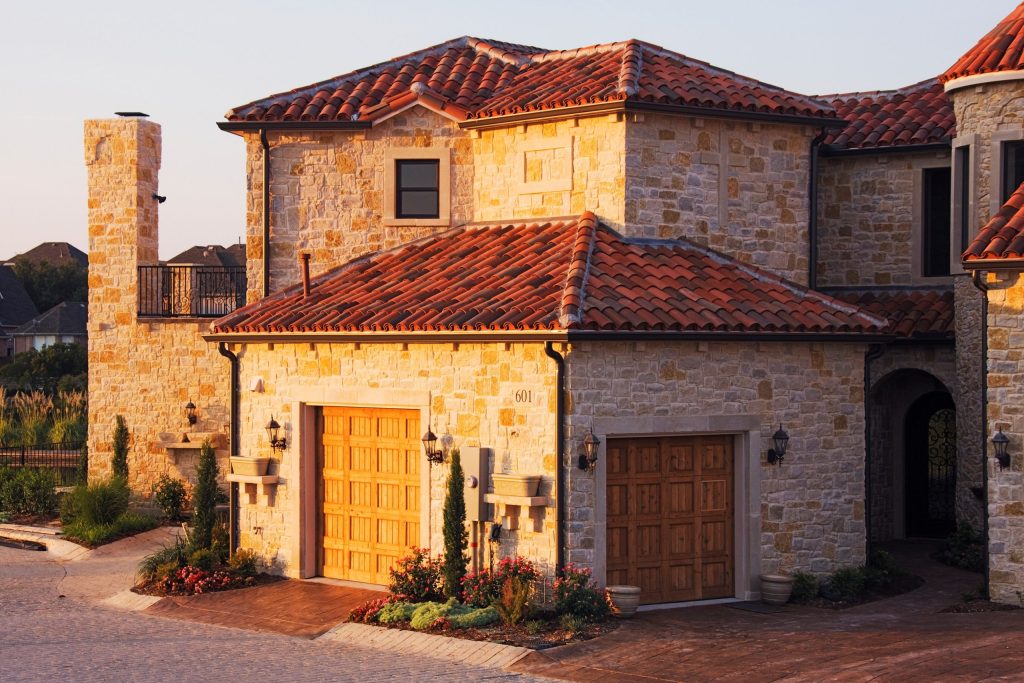
If you are considering a Spanish clay tile roof, it helps to understand how the tile roof system works as a whole. Performance depends on more than just the tile itself. It involves proper installation, underlayment, ventilation, and structural support.
A clay roof tile is made from natural clay, which is shaped, often into a curved barrel profile, and fired at high temperatures. The firing process turns raw clay into a dense, hardened material that is highly resistant to heat and moisture. Traditional clay and terra cotta tiles are built to last for decades when installed properly.
Because clay tile is heavy compared to many other roofing products, your roof structure may need to be evaluated by an engineer, especially in new construction and re-roofing projects. Once properly supported, however, the durability and longevity of clay roof systems are among their biggest advantages.
With these fundamentals in mind, it becomes easier to understand how a Spanish clay tile roof performs under real-world stress conditions.
Heat Performance of Clay Roof Tile
One of the defining strengths of a Spanish clay tile roof is its ability to withstand extreme heat. Clay is a naturally non-combustible substance, and when fired, it remains stable even after years of exposure to the sun.
1. Thermal Mass and Controlling Heat
Clay roof tile has significant thermal mass. This means that it absorbs heat slowly during the day and releases it gradually as the temperatures drop. In hot, Mediterranean climates, this helps to regulate interior temperatures by slowing the transfer of heat into the structure.
The curved design of many Spanish tile profiles—such as barrel or mission tile—creates natural air channels beneath the tiles. This airspace enables hot air to circulate and escape, thereby decreasing the heat buildup underneath the roof deck. Compared to a flat, tightly sealed metal roof, a tile roof system can provide better passive ventilation.
2. UV Resistance and Color Stability
Intense sunlight can deteriorate many roofing materials over time. Asphalt products may dry out. Some metal tiles may fade or chalk.
In contrast, the pigments of traditional clay tile are burnt into the material during firing. For terra cotta and other clay Spanish tiles, the color is part of the tile itself, and not merely a surface coating. This contributes to long-term color stability. Whether you choose a classic rustic red, a blended palette, or one of today’s many available colors, clay tile maintains its appearance for decades.
How Clay Roofs Withstand the Elements
Durability is often the deciding factor when comparing Spanish clay tile to other roofing materials. A properly installed clay roof will last 70 years or more; in fact, many historic clay tile roofs have been in service for more than 100 years.
1. Wind and Storm Resistance
Spanish roof tile systems are engineered to withstand high winds when installed in accordance with local building codes. The weight of clay roof tiles provides stability, and the latest fastening methods improve resistance to wind uplift.
In coastal environments where storms and hurricanes are a concern, the durability of clay tile is especially important. Clay tile is naturally resistant to rot, insect damage, and corrosion, common deterioration factors that can affect many other roofing materials over time.
2. Salt Air and Coastal Exposure
Coastal climates present another stress factor: salt. Salt air can be a major source of corrosion in metal roof systems. Clay tile, on the other hand, does not corrode.
Since it is a mineral-based roofing material, clay roof tile is stable in salty air. This makes Spanish tile an especially attractive option for coastal properties, both for performance and for Mediterranean or Spanish architectural style.
3. Freeze-Thaw Performance
In areas with seasonal temperature fluctuations, freeze-thaw cycles can make some materials brittle. High-quality clay roof tile is made to regulate water absorption, which lessens the chances of cracking in freezing weather.
Tiles are made and tested according to industry standards for absorption and strength. When properly installed with adequate drainage and underlayment, a clay tile roof system is a dependable line of defense across a wide range of climates.
Fire Resistance and Safety of a Spanish Tile Roof
Fire resistance is an important performance factor, especially in wildfire-prone areas.
Clay roof tile is non-combustible and can attain a Class A fire rating when installed as part of an approved system. This means that it provides the greatest level of fire resistance available under many building codes.
Unlike combustible roofing products, clay will not ignite or contribute fuel to a fire. For homeowners in dry and hot climates, this level of fire resistance provides extra peace of mind.
 Spanish Tile vs Metal Roof: How They Respond to Heat
 Spanish Tile vs Metal Roof: How They Respond to Heat
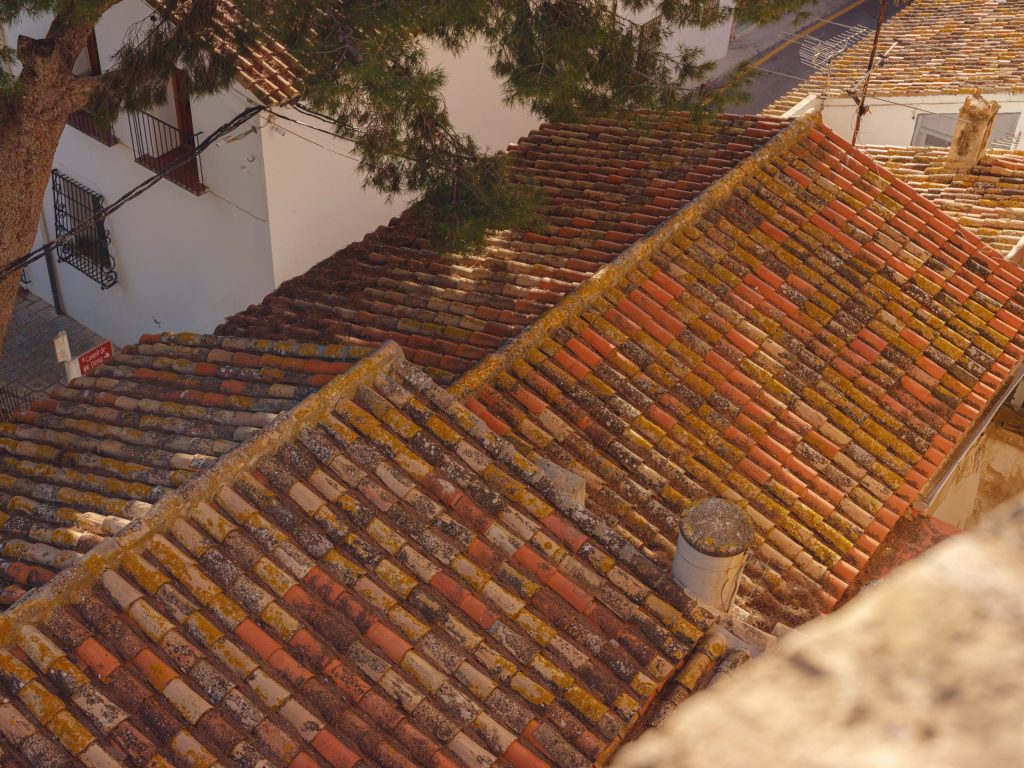
Clay tile and metal roofing systems respond very differently to heat and environmental stress.
Metal roofs reflect a portion of solar radiation, but they also conduct heat quickly and expand and contract significantly as temperatures change. Over time, this thermal movement can place stress on fasteners, seams, and panel connections.
Clay tile behaves differently. Once fired, the material is dimensionally stable and less affected by temperature fluctuations. In addition, traditional tile profiles create natural airspace beneath the tiles, which helps reduce heat transfer to the roof deck.
In hot climates, this combination of thermal mass and ventilation contributes to the long-term performance of clay tile roofing systems.
Installation and Structural Considerations
A Spanish clay tile roof is designed to perform as part of a complete roofing system. Proper installation by experienced professionals ensures that the tiles, underlayment, fastening methods, and ventilation components work together to deliver long-term durability.
Because clay tile is heavier than many other roofing materials, roof structures are typically designed or evaluated to support the load. In new construction, this is usually addressed during the architectural and engineering phase. In reroofing projects, a structural review may be conducted to confirm compatibility with the existing framing.
Once installed as part of a properly designed system, clay tile forms a durable and stable roof covering capable of performing reliably under a wide range of environmental conditions.
Many manufacturers in the roofing industry also offer substantial warranties on their clay roofing products, reflecting the long service life that properly manufactured and installed clay tile systems are known for.
Longevity and the Timeless Performance of a Spanish Clay Tile Roof
When looking into roofing options, it is a good idea to look beyond the cost of the installation. A Spanish clay tile roof is an investment in longevity, durability, and architectural identity.
Even when exposed to excessive heat, clay tile remains stable and resistant. In coastal environments, it doesn’t get corroded by the salt air. In stormy areas, properly installed systems are resistant to wind uplift. In areas prone to wildfire, its fire resistance and Class A fire rating offer an important added layer of protection.
At the same time, Spanish tile also offers something less tangible but no less valuable: a timeless aesthetic based on centuries of Spanish style and Mediterranean tradition. The appearance of clay tile never goes out of fashion. Although it evolves through very subtle differences in tile colors and finishes, it remains the same in character.
Properly specified and professionally installed, a Spanish clay tile roof offers a high level of performance in the face of heat and environmental stress, especially when manufactured by quality producers such as Verea Clay Tile.
When performance, durability, and timeless design are important, clay roof tile continues to prove why it has been a trusted solution throughout generations.