
In 2023 alone, more than 90 billion in property damage was caused by severe weather across the United States. The front line against wind velocity, hail, snow, and ice, and exposure to heat throughout the year is your roof. Not all roofing materials perform the same over the long term in the harshest climates.
This is one of the reasons why the barrel tile roof has emerged as one of the most reliable roofing styles in contemporary construction of homes and commercial buildings.
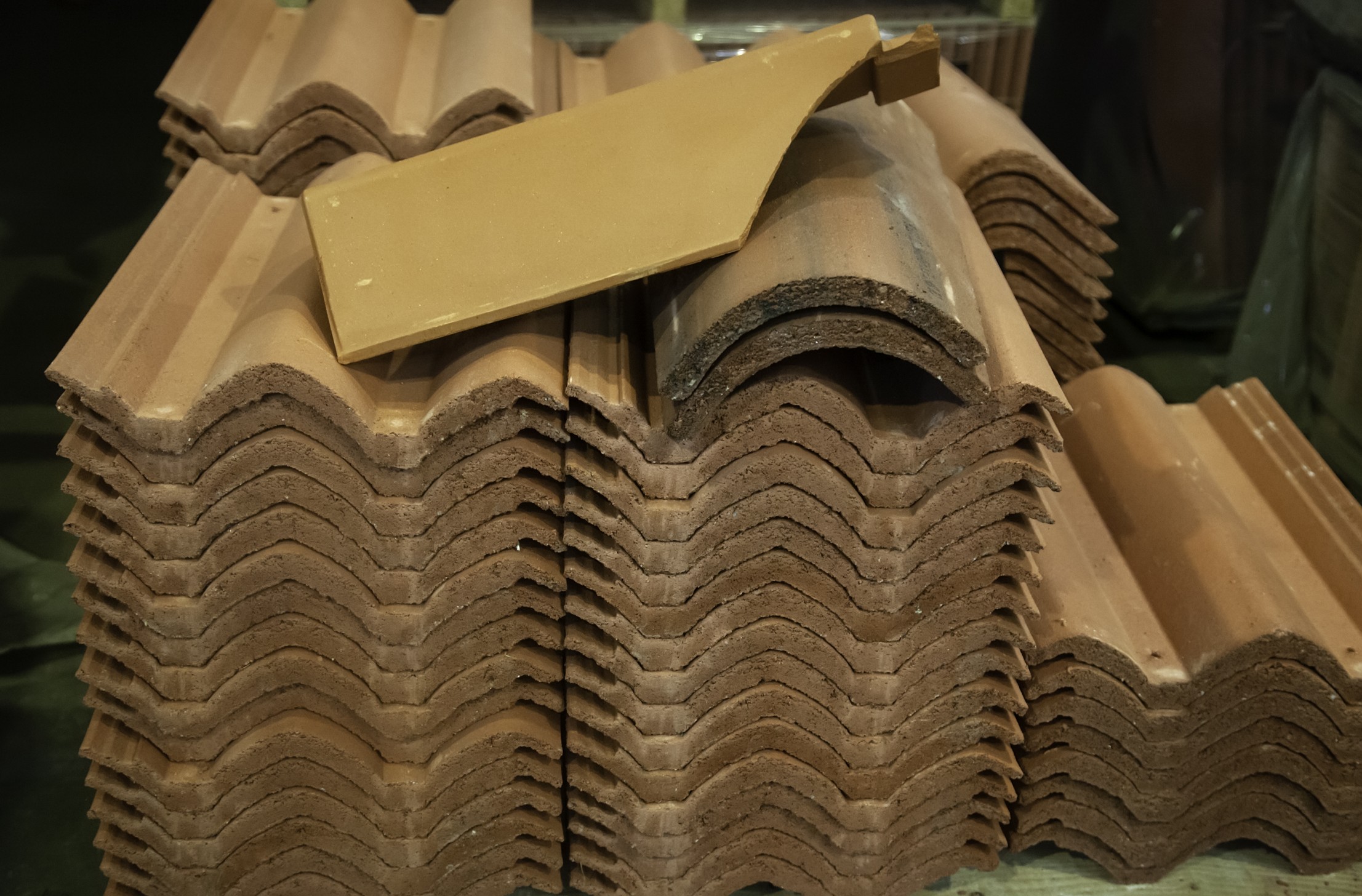
The profiles are nowadays mostly made of barrel clay and terracotta, and have a much more modern function than to produce an old-world or Mediterranean look, yet their appearance was originally inspired by traditional Spanish architecture. They provide quantifiable structural integrity and thermal efficacy, enhancing the overall performance of the whole roofing system.
We design solutions at Verea Clay Tile that enable clay roof tiles to integrate the age-old, timeless beauty of traditional clay with current performance standards, helping builders and homeowners achieve durability without sacrificing design flexibility.
 What Makes Barrel Roof Tile Structurally Unique?
 What Makes Barrel Roof Tile Structurally Unique?
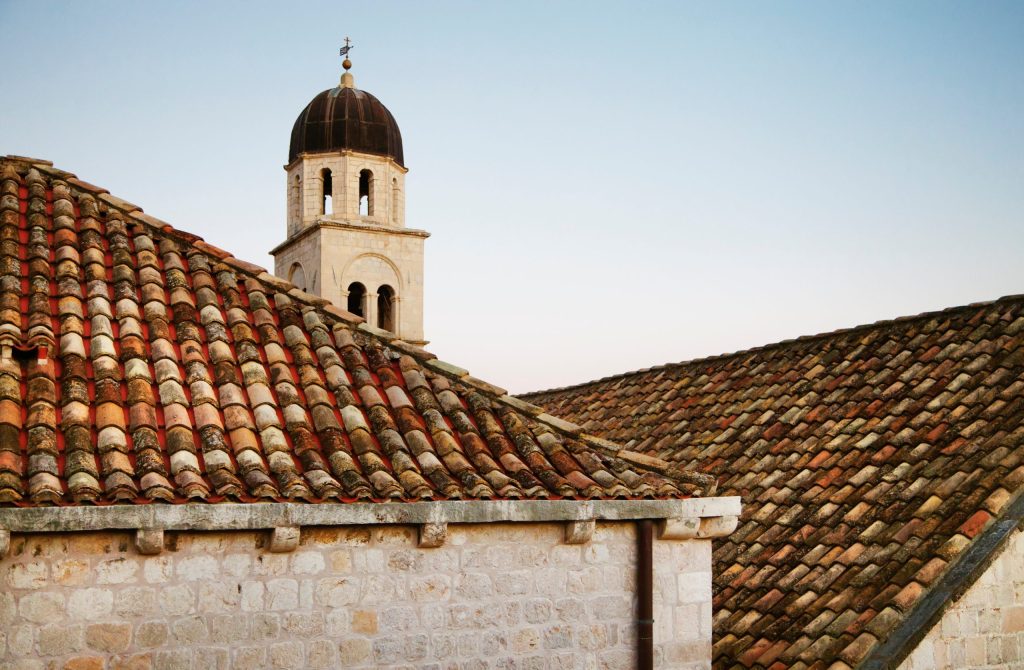
Barrel roof tile is semi-cylindrical and curved in shape, creating a roof surface where the movement of pressure across the surface varies.
This shape really helps a lot when applied to a roof with Spanish tiles. It helps:
- Move water away from the top of the tile
- Minimize wind uplift in the storm.
- This also includes distributing the roof weight over a greater area.
- Adds stability when snow and ice are building up.
- Support long-term durability in harshest climates
Due to the way the barrel tiles overlap during the installation process, the roofing system is not reliant on a single fastening point alone. This assists the tile roofing assembly to remain stable even when the wind speeds are high, as well as securing the completed look of the roof in the long run. Get information on our roofing products on our website.
Material Strength of Traditional Clay Roofing
Conventional clay tile is created using natural tile clay, which is fired in the kiln at extremely high temperatures so that it will enhance its strength and durability. Such a firing process contributes to making the material more durable so that it can be more adapted to working in harsh weather conditions, including heat, rain, snow, and ice.
It also enables the tile to combat some of the most common issues, such as algae spots and color fading, which are usually caused by frequent exposure to sunlight and UV rays. The traditional clay roofing materials can retain their native color mix over decades in comparison to certain synthetic roofing materials or composite roofing materials, which require the addition of extra coats or chemical finishing systems.
Since the color flows through the body of the tile, the homeowners will be able to have consistent roof colors that do not easily peel, chip, or fade away, even after many years of extreme weather conditions. This renders the use of clay tile as an effective roofing material that is durable over time.
Load Distribution and Wind Resistance
A well-laid barrel tile roof enhances the movement of structural loads of the roof deck.
This helps:
- Reduce pressure at the eave
- Support rake edge protection
- Improve ridge closures
- Strengthen hip trim connections.
- Limit shifting during high wind speeds.
- Less damage due to hail rating impact.
Since each tile is combined in a system that forms a complete roof, wind resistance is enhanced when tiles are attached in overlapping rows. This will help reduce the risk of individual tile displacement in case of storms and enable the Spanish roof tile system to work better in places that experience heavy weather conditions.
Thermal Performance Benefits
The thermal performance is a significant aspect of a roofing system design since it determines the amount of heating in a home during different seasons of the year. The profile of the barrel clay forms natural hollows under each tile when the mechanism has been set up.
These air spaces assist in supplying passive airflow in the roof assembly, under which the accumulated heat is able to transfer out before it enters an attic area. This can mitigate heat transfer from direct sunlight onto the roof.
A clay tile roof may slow down how quickly solar heat gets into the house during hot seasons, compared with some types of flat metal roofing systems. Consequently, the indoor temperatures can remain stable throughout the day. This type of roofing assembly can also improve overall insulation performance and may reduce cooling loads during warm seasons when combined with ridge vent systems and appropriate underlayments.
Integration With the Full Roofing Assembly
The barrel tile roof system is effective when used hand in hand with the appropriate support materials.
These include:
- Underlayments
- Ridge vent systems
- Ridge closures
- Headwall flashing
- Eave ventilation
- Hip trim
- Rake edge protection
These segments combine to provide additional weather protection against the hail, wind, and rain. Since modern mission tile products are much lighter than traditional concrete systems, they are easier to move on pallet shipments from freight or trucking companies. This will also assist in making installation on new constructions and restoration works easy.
 Design Flexibility and Finished Appearance
 Design Flexibility and Finished Appearance
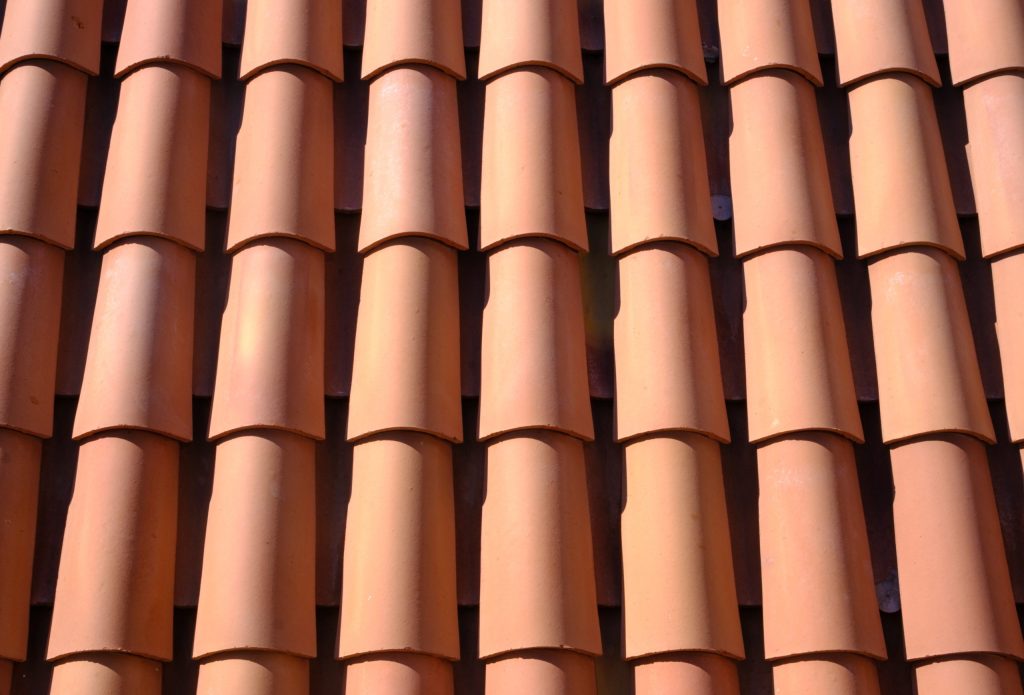
Most homeowners prefer Spanish roof tile because it offers a traditional Spanish design and a classic Mediterranean appearance that complements most home designs. More recent tile colors enable constructors and designers to match a wide range of architectural styles.
This provides the homeowners with an opportunity to be more flexible in the choice of roofing materials to match performance requirements and aesthetic objectives. Natural terracotta roofing materials do not rely on artificial finishes to appear as the authentic look of clay, unlike some concrete Spanish barrel tile or synthetic Spanish roof tiles.
Since the color is part of the tile, it will not fade, peel, or chip over time. This makes clay tile roofs a good choice among homeowners who desire to have good durability, alongside a complete look that will take many years to fade.
Why Homeowners Trust Barrel Tile Roofs for Durability and Design
An optimally designed system of barrel roof tiles has the potential to enhance building strength as well as thermal characteristics in most of the climates within the United States. It has a semi-cylindrical configuration, which can help minimize wind uplift by enabling the air to flow more harmoniously over the roof surface in high wind velocities.
The water flow is also controlled by this curved design to keep the rain off the key sections of the roof assembly. Moreover, natural air spaces created between the tiles as it is being installed can contribute to curbing the transfer of solar heat to the attic space. The roofing system would allow management of daily interior temperatures by preventing the direct sunlight heat from moving too quickly, thereby stabilizing temperatures.
The clay roofing products offered by Verea Clay Tile are designed for long-term durability, wind resistance, and reliable performance across a wide range of weather conditions. A barrel tile roof installed with proper underlayments and venting systems can give good resistance to rain, hail, and heat exposure, in addition to having a finished look that reminds one of the classic Spanish style that can last many years.
To get to know more about our entire line of tile roofing options or see what kinds of styles and tile colors are available, visit our website or contact us today and discover the perfect roofing system to use in your next project.