
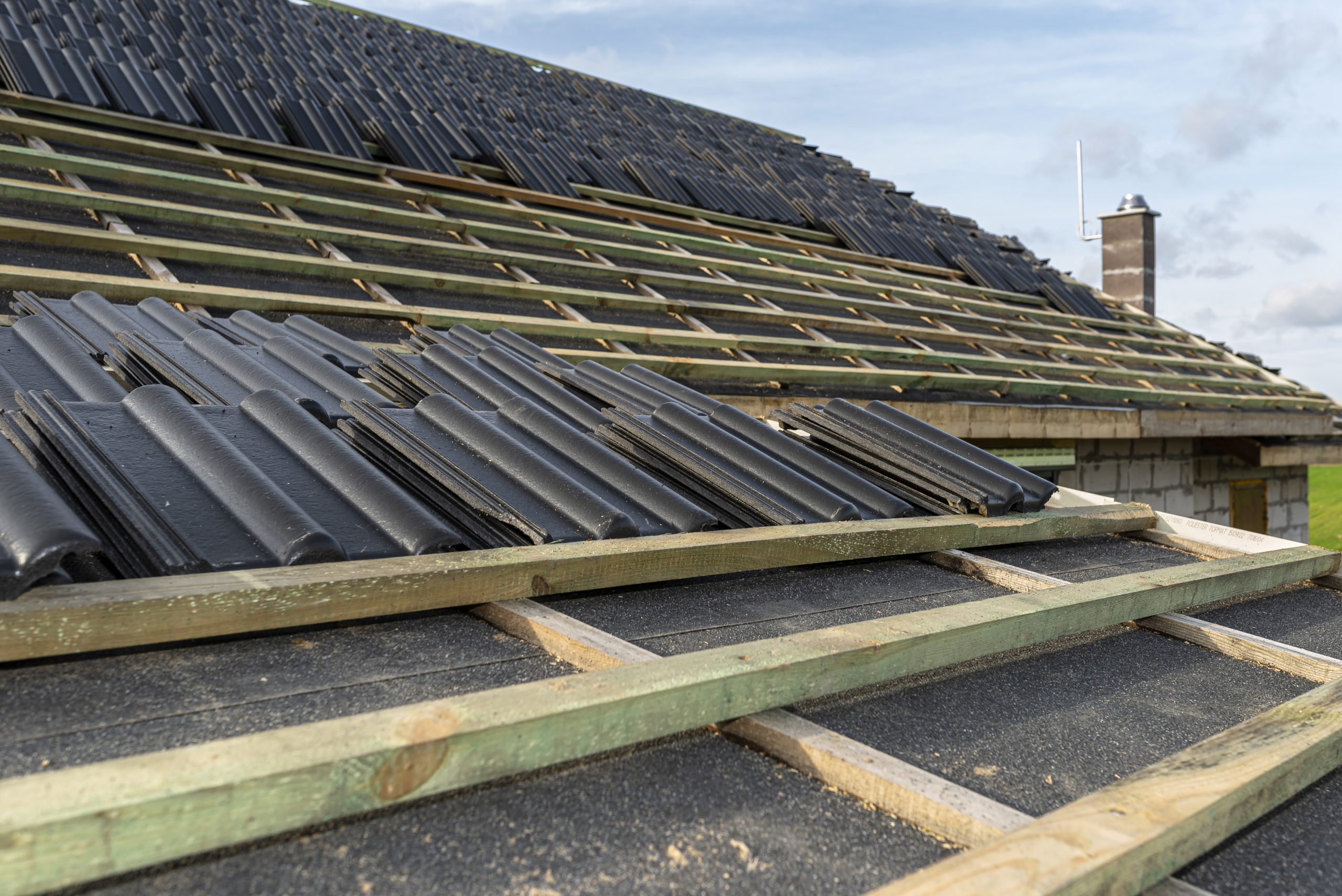
Long-term roof performance isn’t accidental; it’s determined by how a material handles heat, moisture, and structural stress over time. Among roofing systems, clay tile stands out for its ability to maintain that performance under continuous exposure to the environment.
Fired at high temperatures, clay tile becomes fireproof and forms a dense ceramic material, making it one of the highest-performing roofing materials in terms of long-term durability and resistance to environmental stress. According to the National Park Service, clay tile roofs have some of the longest lifespans of any historic roofing material, often lasting 100 years or more.
Verea Clay Tile manufactures products engineered for durability, with tiles certified to ASTM C1167 specifications and available in several grades based on climate.
This is why high-density, fired materials like clay tile can maintain structural integrity over decades of exposure, while lighter or composite systems degrade faster over time.
 1. Material Composition Determines Long-Term Durability
 1. Material Composition Determines Long-Term Durability
The main reason some roofs last longer than others is the material they’re made from.
Clay tile starts as natural earth, which is molded and fired to form a dense, ceramic material. This composition allows it to withstand most of the hazards that shorten the lifespan of other roofing materials.
For a roof to last, its material must resist:
- Moisture
- UV radiation
- Fire
- Decay
- Insect attacks
- Structural deterioration
Since it is a ceramic material, clay tile does not decompose like wood. Additionally, unlike composite asphalt shingles, clay tiles do not have multiple layers whose longevity is compromised by their long-term exposure to the elements.
However, not all clay tiles are created equal, and some will last longer than others based on characteristics such as density and durability standards. That’s why testing matters—it shows how tiles perform in real-world conditions.
2. Climate Compatibility Is One of the Biggest Reasons Roofs Fail
Even the most durable materials can fail if they’re exposed to the wrong environmental conditions.
In terms of performance, climate affects how roofing materials perform in several ways:
- Freeze-thaw cycles can damage materials that absorb moisture.
- Heat may hasten degradation processes in low-performing materials.
- Salt-laden air may affect exposed parts of the materials.
- Rainfall tests how well the drainage and underlayment systems work.
- Strong winds exert additional strain on the fastening system.
Clay tiles are classified by how well they withstand these conditions. Their grades are determined by standard laboratory tests of moisture absorption and structural stability.
Typically:
- Grade 1 tiles withstand harsh climates and freeze-thaws.
- Grade 2 tiles are reliable under moderate climatic conditions.
- Grade 3 tiles work well in warm climates without freeze-thaw cycles.
It does not mean that one grade is always better than another. It means that each grade works best in a particular environmental setting.
The selection of materials without considering the climate is among the most common reasons roofs deteriorate over time.
This classification is not just descriptive; it defines how reliably a roofing system will perform under real environmental stress.
3. Strength and Moisture Resistance Affect Lifespan
Durability depends on how well a material maintains its performance over time under constant exposure.
For clay tiles, two significant things should be considered:
- Water absorption level
- Structural strength
Tiles that have low levels of water absorption are less likely to experience internal stress from moisture. High water absorption can become a problem in areas with repeated freeze-thaw cycles. In addition, tiles with high-strength structures will resist stresses from handling and different types of environmental pressure.
Testing is important because it helps define the performance standards that determine long-term durability. This is what allows clay tiles to maintain their shape and structure over time, even with constant weather exposure.
The truth is that durability does not mean good initial performance of the roofing material. It means long-term performance after exposure and handling.
4. Installation Quality Affects the Entire Roofing System
The roofing tile is just an element of a comprehensive roofing system. The durability of a roof depends on proper installation of the entire system, in addition to the quality of the tile.
Some common failures in the installation of a clay tile roofing system may include:
- Improper flashing of penetrations, valleys, and wall transitions
- Substandard underlayment for buildings located in wind and climate zones
- Fasteners, which are prone to corrosion in the coastal environment
- Poor ventilation within the roof assembly
Verea offers installation guidelines that are consistent with the FRSA/TRI Florida High Wind Installation Manual, 7th Edition, developed by The Florida Roofing, Sheet Metal & Air Conditioning Contractors Association and Tile Roofing Industry Alliance. The Manual has been officially reviewed by the IAPMO Uniform ES evaluation report ER-2015 and currently represents the code standard for the installation of clay tiles in Florida high-wind areas.
For installations outside Florida, the applicable building code and manufacturer-provided installation guidelines should be used. Working with experienced, licensed roofing contractors is essential to getting the best performance from the material.
Due to their weight and structural role within the system, clay tiles require proper load-bearing support, a standard consideration in well-designed roofing systems. A correctly installed tile roof will work efficiently for decades.
Durability, besides the material, depends on the entire roofing system.
5. Maintenance and Energy Efficiency Influence Longevity
A roof’s lifespan depends heavily on maintenance and environmental conditions. These factors determine how well the roof performs over time.
Although clay tile requires relatively little maintenance, regular inspections are still important to catch and address issues early.
Some typical maintenance activities involve:
- Inspection after any stormy weather to check the condition and positioning of the tiles
- Removal of any debris accumulated in valleys and gutters to promote water flow
- Replacement of cracked or damaged tiles
- Inspections and replacement of flashings and joints to avoid leaks
Energy performance is another aspect that directly affects the durability of a roof. The use of material that absorbs a lot of heat will lead to higher indoor temperatures and thus accelerate roof decay.
There are several ways in which clay tile helps regulate heat:
- The tile’s structure creates ventilation beneath the tiles.
- This type of tile prevents excessive heat transfer into buildings.
- It maintains stable performance at all times.
Thus, a clay tile roof demonstrates excellent performance in terms of durability and energy efficiency.
 What Is the Longest Lasting Roofing Choice?
 What Is the Longest Lasting Roofing Choice?
There is no universal solution that can be used for all projects. The choice of materials depends on many factors, such as the local climate, capabilities of the structure, specific building codes in the region, and plans for the long-term ownership of the building.
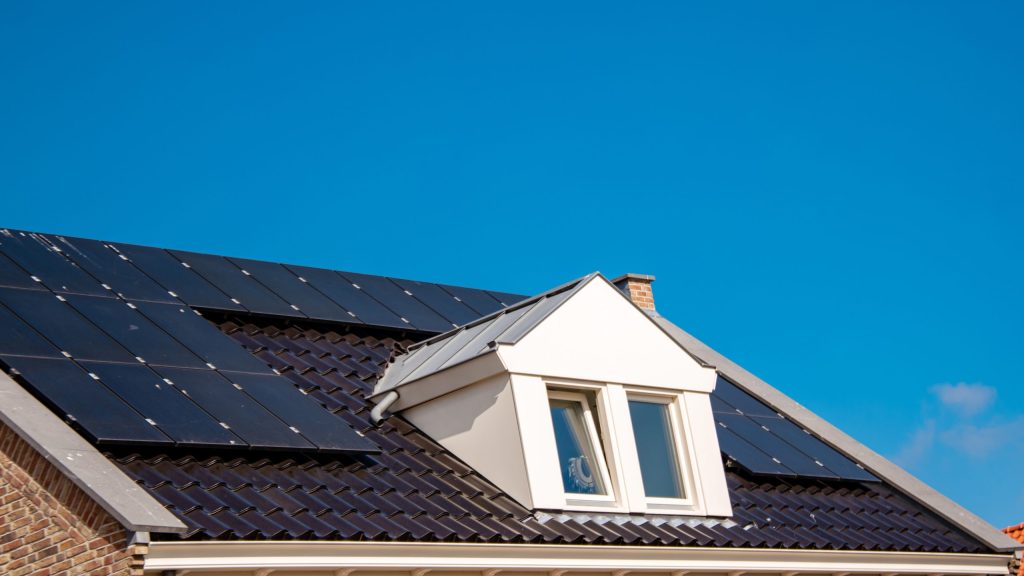
However, when you consider the factors that affect a roof’s lifespan, fired clay tile stands out as a strong option. It offers long-term resistance to environmental deterioration under sustained exposure. The longevity of clay tiles does not depend on regular retreating; it is embedded in the material, and with proper installation and maintenance, this roofing system lasts for decades rather than years.
Some of the factors that have to be considered when choosing the type of roof are as follows:
- Compatibility with the climate: Grade 1 clay tiles remain reliable regardless of climatic conditions, including heat and humidity, exposure to saltwater, and high winds. The efficiency of clay tiles does not require periodic retreating.
- Compatibility with the structure: Compared to other materials, clay tiles have considerable weight, so it is necessary to check the roof’s bearing capacity. It is a standard practice, but not an obstacle to using this material.
- Overall lifetime costs: While initial installation costs vary by project, lifecycle performance is determined by durability, maintenance requirements, and replacement frequency.
The durability of clay tiles is exceptional. All it requires is choosing suitable materials, proper installation, and regular maintenance. That is precisely what this product provides.
Instead of judging the materials by their qualities, they have to be assessed by their ability to survive in specific conditions.
Building a Long-Lasting Roof Starts with the Right Material
There are two main reasons a roof may fail earlier than expected. First, the type of material used might not be well-suited to the local environment. Second, the actual product is simply too fragile, retains moisture, or does not form a completely strong roofing system when applied. In practice, a roof’s durability depends on all of these factors working together.
Clay tiles are one of the most durable roofing products because they combine natural strength, resistance to environmental conditions, and long-term performance while maintaining their appearance. If clay tiles are made according to the required standards, then they can withstand any weathering for decades to come.
Verea Clay Tile manufactures clay roofing products, which vary by their durability, resistance, appearance, and other characteristics, in order to satisfy the diverse needs of clients. The company provides various grades of tiles tested according to ASTM C1167 standards and technical guidance on choosing the right product.
To choose the appropriate roof, you should review the technical specifications and confirm the right grade needed for your climate zone. At the same time, it is important to consult experienced roofing specialists since the roof must be considered as part of the full roofing system.