
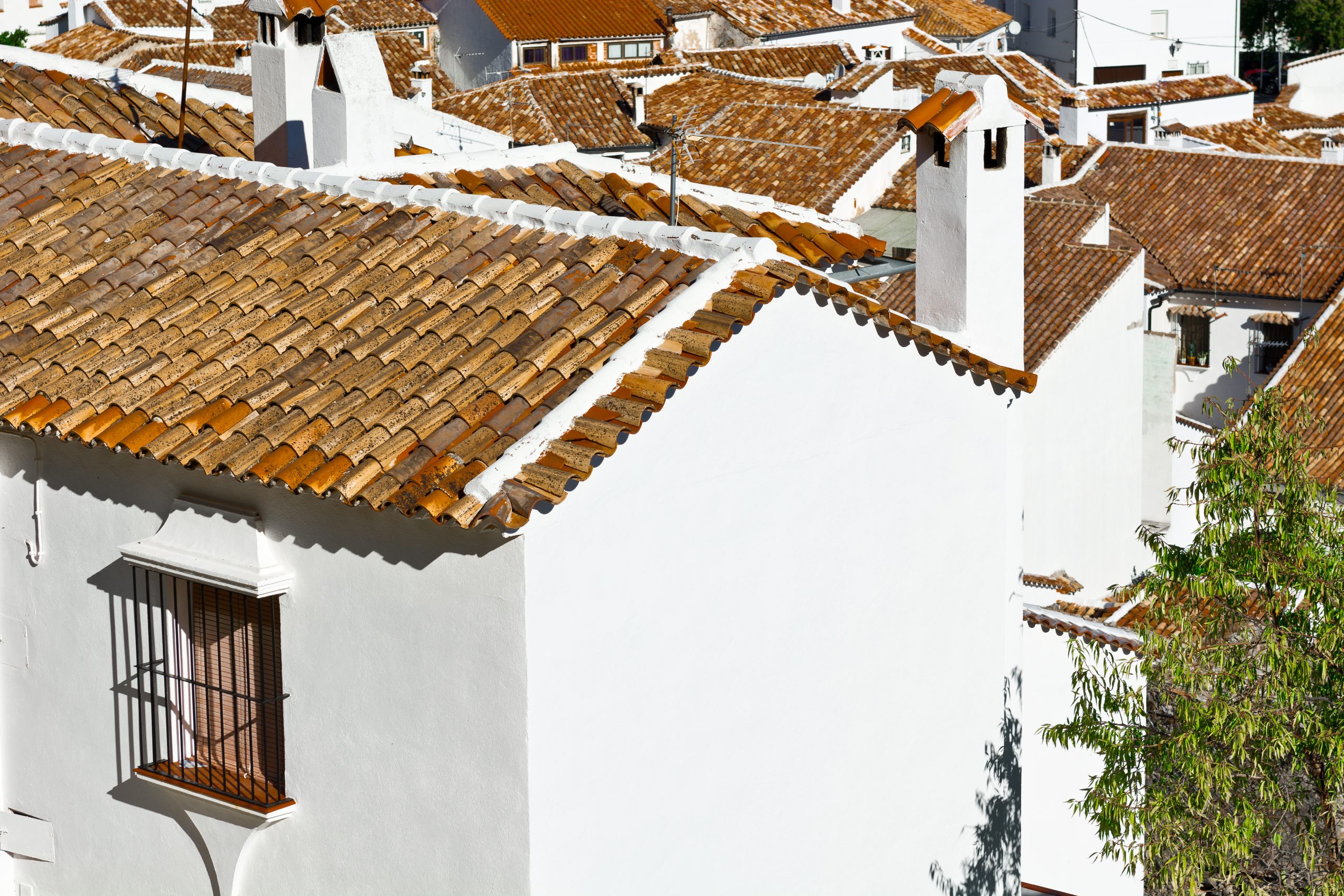
You already know what a Spanish-clay-tile roof looks like. The curved profile, the warm terracotta tones, the shadow lines that shift through the day — it is one of the most recognizable rooflines in American residential architecture. What is harder to see is that not all Spanish clay tiles are created equal. While many products share the same traditional appearance, the quality of the clay, the manufacturing process, and the tile classification can vary significantly from one manufacturer to another.
Verea Clay Tile has produced Grade 1 clay roof tiles in Northwest Spain since 1967, combining carefully selected local clays with proprietary manufacturing processes designed to maximize durability, dimensional consistency, and long-term performance. These characteristics have made Verea one of the most recognized names in authentic Spanish clay roofing for projects where longevity matters as much as appearance.
According to the National Park Service, clay tile roofing has been a defining feature of Spanish, Mission, and Mediterranean revival architecture in the United States for well over a century, particularly in Florida, California, and the Southwest. What has kept it dominant in those markets is not nostalgia. It is long-term reliability.
Understanding what separates a true Grade 1 Spanish clay tile from lower-grade alternatives helps explain why architects, builders, and homeowners continue to specify Verea for demanding residential and commercial projects.
 What Grade 1 Actually Means for a Clay Roof Tile
 What Grade 1 Actually Means for a Clay Roof Tile
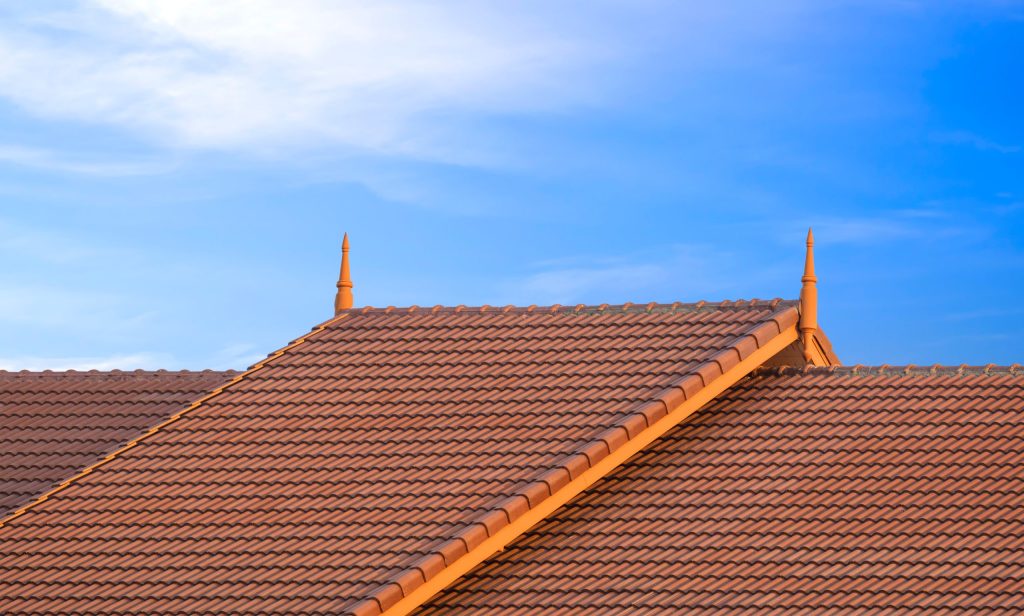
Spanish clay roof tiles come in various grades, and the differences between them are more important than consumers realize. The highest grade of kiln-fired clay tile is Grade 1, which applies exceptionally high standards to the dimensional accuracy, density, water absorption rate, and surface finish of tiles.
The Grade 1 tiles made by Verea offer better dimensional tolerance, ensuring proper installation, alignment, and uniformity of the result. In addition, the low porosity of the tiles implies they absorb much less water compared to the lower grades of tiles. As a result, they are much more resistant to freeze-thaw cycles and moss and algae growth, and they provide greater stability over time.
Low-grade tiles absorb more water, have lower dimensional tolerances, and tend to crack under UV exposure and harsh weather conditions.
Clay Sourced from Northwest Spain: Why the Origin Matters
The performance of a clay roof tile begins with the raw material itself. Verea sources its clay exclusively from Northwest Spain, a region known for producing dense, high-quality clays ideally suited for Grade 1 roof tile manufacturing. The clay blend sourced from this region contributes to the unique terracotta color range, natural surface texture, and density that have become defining characteristics of Verea roof tiles.
This carefully selected clay is a key factor that distinguishes Verea from many other roofing products marketed as Spanish clay tiles. Combined with Verea’s proprietary production methods, these raw materials contribute to the dimensional accuracy, low water absorption, and long-term durability that define the company’s roofing systems. These tiles are real Spanish clay tiles in every sense and are not composite roofing products, imitation products, or cement tiles shaped to resemble them.
The result is a Grade 1 clay roof tile with Class A fire resistance and the ability to withstand wind, ultraviolet radiation, and hail while maintaining the appearance and structural integrity expected from an authentic Verea roofing system.
The Three Tile Profiles Verea Offers
Currently, there are three tile profiles available at Verea for the North American market. They are designed for various architectural styles:
True Barrel Tile is the one-piece convex tile profile commonly used for Spanish and Mediterranean styles. The barrel roof profile is derived from Moorish and Spanish architectural heritage, traveling with the Spanish colonizers throughout the Americas to become the typical feature of Mission-style buildings and the vernacular roof in Florida. Unlike the traditionally used double-piece pan-and-cover system for barrel tiles, Verea offers a one-piece barrel tile with a reduced risk of leaks at the pan joints.
Spanish S Tile is Verea’s most commonly ordered profile. With the typical shadowed pattern created by the S-shaped profile of these tiles, the one-piece pan-and-cover design makes this profile suitable for both residential and commercial buildings. If a customer orders a “Spanish-style roof,” they most likely envision something like this.
Flat Tile is the architectural alternative to the barrel or Spanish S-profile when the latter does not fit a contemporary or transitional design plan. It offers the durability and Class A fire rating of authentic clay without the curved profile.
 Why Verea Outperforms Composite and Synthetic Alternatives
 Why Verea Outperforms Composite and Synthetic Alternatives
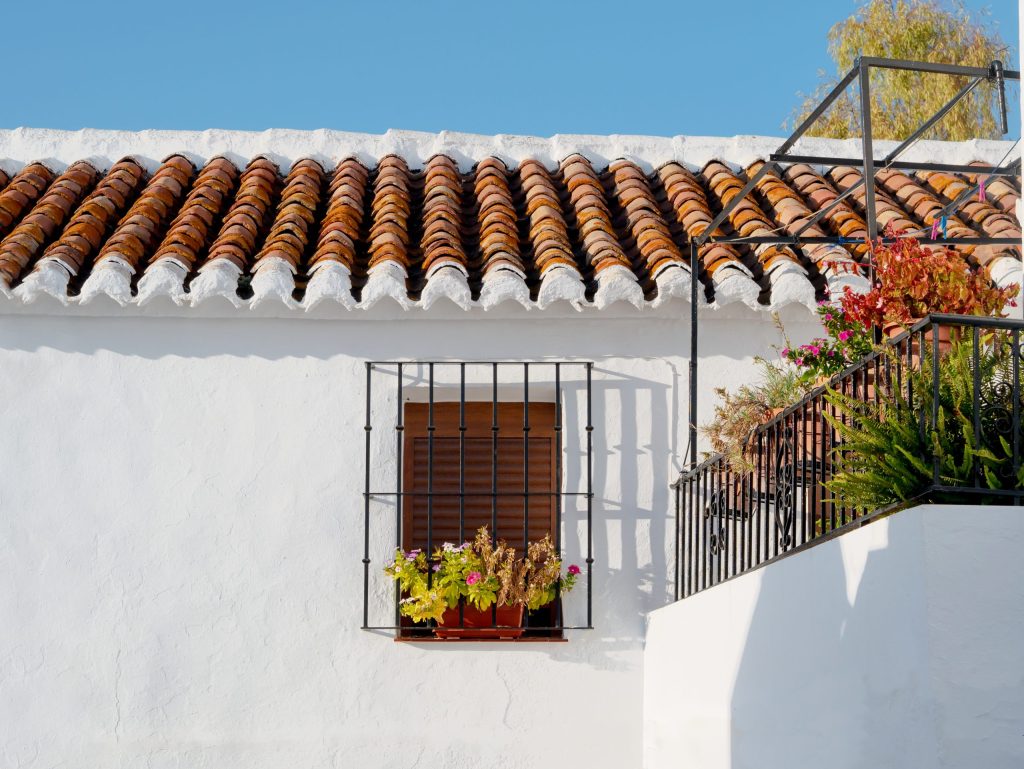
Verea’s Grade 1 clay roof tiles usually get compared to a lot of other roofing materials; most of them trying to nail that classic Spanish tile look. And sure, plenty of options can pull off the appearance. But looks don’t hold up a roof for fifty years, and Verea’s offerings are more than just aesthetic appeal.
What actually sets Verea apart comes down to how the tiles are made. The clay they use and their proprietary kiln-firing process aren’t just marketing language; they directly affect how the tile performs: how dimensionally consistent it is, how little water it absorbs, and how long it holds up before you ever have to think about replacing it.
Furthermore, the roof tiles produced by Verea are environmentally friendly because they are recyclable after being used as building material for a very long time. In addition, the roof tiles have a Class A fire rating and meet the structural support and high-wind screw installation requirements as per the FRSA/TRI Installation Manual provided to contractors for each project.
Durability, Maintenance, and What the Warranty Tells You
A properly installed clay roof tile system is one of the lowest-maintenance roofing solutions out there. Clay doesn’t decompose or rot; it doesn’t oxidize or corrode, either. UV radiation will not deteriorate clay like it does synthetic roofing solutions. Maintenance is limited to regular checking of the flashing and underlayment, cleaning of the gutters and valleys, and checking for damaged tiles after bad weather.
Verea provides a limited lifetime warranty on its tile, valid for as long as the first owners still retain ownership of the property covered by the installation. Documented installations of clay tiles with proper underlayment have lasted over a century; that’s the kind of roofing solution that is worthy of a lifetime warranty.
You won’t find that kind of lifespan associated with other roofing products.
Getting the Installation Right
A Grade 1 clay tile roof is only as good as its installation. Verea provides a comprehensive FRSA/TRI Installation Manual and technical details covering high wind screw installation, structural support requirements, shank nails, and all necessary accessories and pan specifications. Clay tile has different structural demands than asphalt or concrete, and a contractor unfamiliar with the material can underestimate those requirements.
Before committing to a contractor, confirm they have clay tile installation experience. The margin for error on a roof built to last a century is low, and the right installation is what makes the warranty and the lifespan projections real.
Browse the full Verea product range or reach the team directly through the Miami office or at info@vereaclaytile.com.