

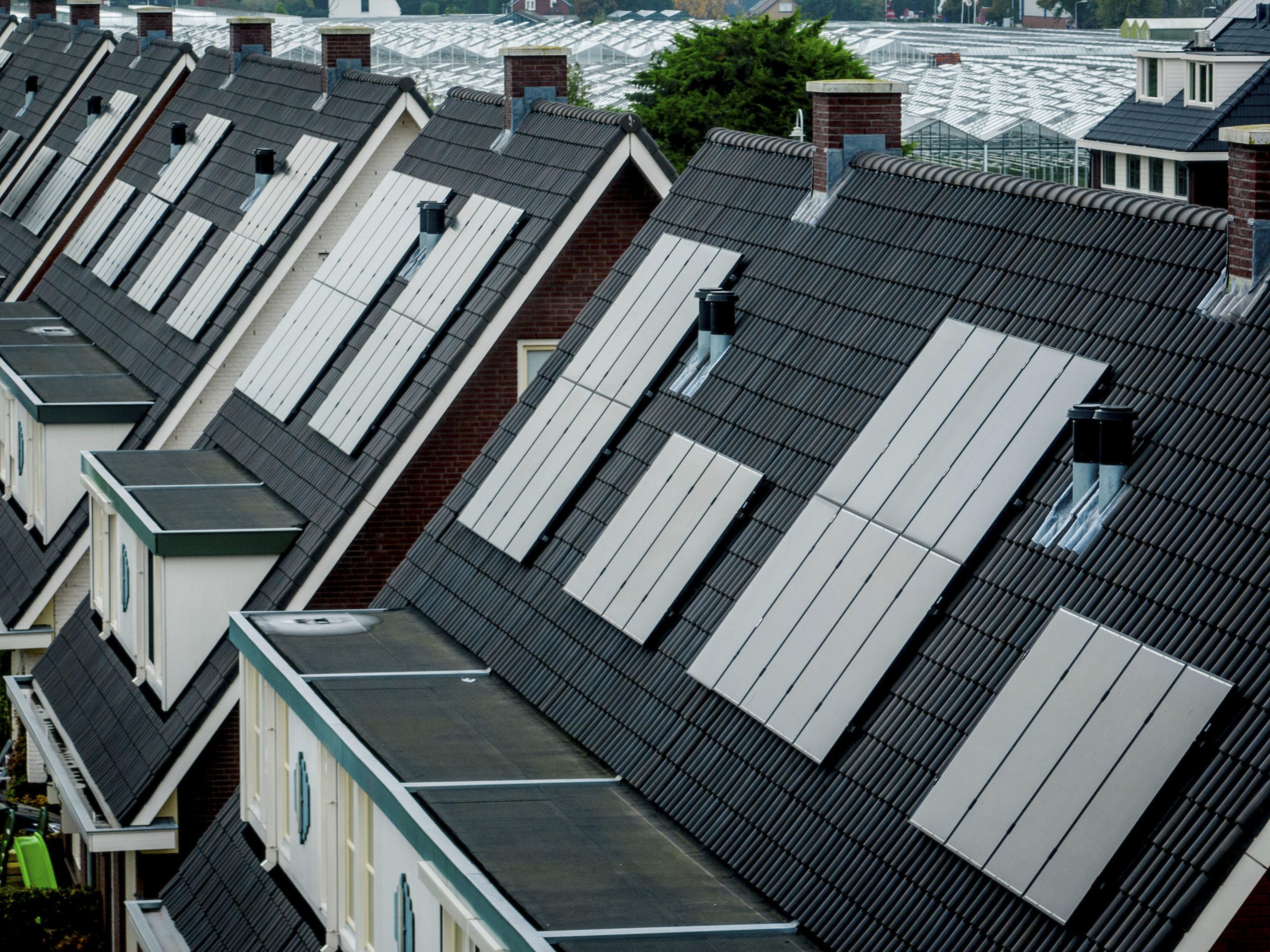
In hot climates, the roof takes more punishment than almost any other part of a home. Day after day, it absorbs direct sunlight, traps heat, and affects how hard the air conditioning system has to work. That is why more homeowners are paying attention to energy-efficient roofing, not just for its appearance and upfront cost.
Not all roofing materials handle heat the same way. Some transfer heat quickly into the attic, while others help block it, release it, or prevent it from building up in the first place.
Here at Verea Clay Tile, we manufacture clay tile roofing systems designed for long-term performance in demanding climates. Our products are built to improve durability, ventilation, and thermal performance while maintaining the classic appearance that clay tile is known for.
According to the U.S. Department of Energy, cool roofs can stay significantly cooler than traditional roofs under direct sunlight because they reflect more sunlight and release heat more efficiently. In warm regions where cooling costs stay high for much of the year, the right roofing system can make a measurable difference inside the home.
 Clay Tile Creates Better Natural Ventilation Than Metal Roofing
 Clay Tile Creates Better Natural Ventilation Than Metal Roofing
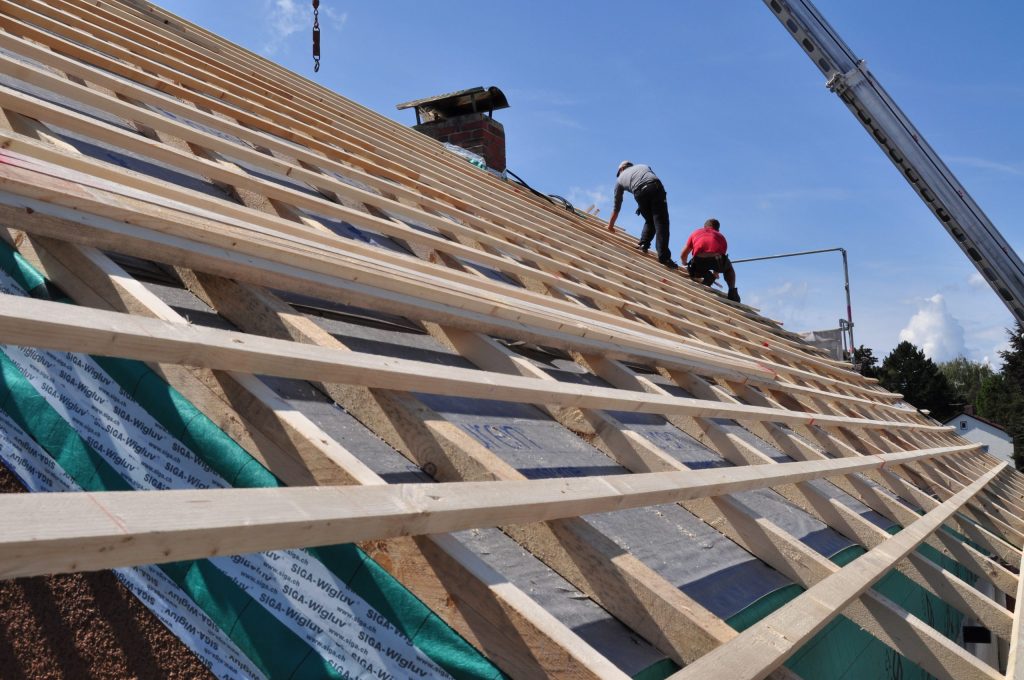
One of the key benefits of clay tiles over metal roofs is air movement.
Clay tile roofs are typically installed with an air gap beneath the tile covering. This air gap facilitates continuous airflow beneath the tiles. It allows trapped hot air to vent out before it can be transferred into the attic or living space.
This type of airflow is inherent to clay tile systems and is not present in standard metal roofing systems. Additional ventilation can be added to metal roofing systems; however, it is not built into the roof design.
Such ventilation is vital in areas with hot climates, where roofs are constantly exposed to harsh sunlight.
This natural ventilation is one of the main reasons clay tile roofs have been favored in hot regions like the Mediterranean, tropical, and desert climates for centuries.
Clay Tile Roofing System Transfers Less Heat Into the Home
While metallic roofing is excellent at reflecting sunlight when painted with a reflective finish, metal remains a very conductive material. Once heated, it transfers that heat into the roof assembly quickly unless proper insulation and ventilation are in place.
In contrast, clay tile roofs behave differently.
Because of its relatively low thermal conductivity, clay tile slows heat transfer into the building, helping keep interiors cooler during peak afternoon heat.
The thermal conductivity of clay tile ranges from about 0.8 to 1.0 W/m·K (watts per meter-kelvin), a much lower value compared to that of steel, which is about 50 W/m·K. The U.S. Department of Energy’s Lawrence Berkeley National Laboratory has cited this difference as an important reason why clay tile can limit attic heat gain in hot weather conditions.
Clay Roofing Products Deliver Higher Long-Term Thermal Performance
Roofing performance in hot climates depends not only on initial performance but also on how well the material manages heat over years of exposure to ultraviolet radiation and high temperatures.
Clay tile roofing performs well because its cooling characteristics are built into both the material and the system design. The combination of natural airflow, low thermal conductivity, and heat dissipation results in sustained thermal performance over time.
This performance is supported by testing data. Verea’s red clay tiles have been independently tested for a Solar Reflectance Index (SRI) of 47.5, which exceeds the U.S. Green Building Council’s minimum threshold of 29 for the roofing system to be eligible for LEED credits for reducing heat islands.
The Solar Reflectance Index (SRI) measures how well roofing materials reflect sunlight and release heat. Roofing materials with high SRI values usually show the lowest temperature levels and better heat management during summer months.
The thermal performance of metal roofs with high thermal conductivity is much less favorable than that of clay tile roofs.
Clay Tile Exceeds Structural Strength Standards by Wide Margins
Hot climates also present some environmental challenges like strong winds, thermal expansion, storms, and hail. The materials should be able to resist such elements without compromising their functionality.
This is another area where clay tiles outperform many metal roofing systems.
Verea Clay Tile offers roof tiles that meet the stringent ASTM C1167 Grade 1 requirements, the highest classification for clay roof tiles. The tiles have transverse breaking strength exceeding 1,200 pounds, while the ASTM minimum requirement is 350 pounds.
Moreover, the Verea products include:
- Miami-Dade County approval
- Florida Building Code approval
- Class 3 hail resistance rating
- CE marking
- ISO 9001 and ISO 14001 accreditation
The above certifications are very important in areas exposed to heat, coastal climate, and severe storm environments.
Clay Tile Maintains Its Appearance Better Than Metal Roofing
Aesthetics play an important role in the value a roof will hold over the years, particularly for residential structures.
Many metal roofing systems rely on paint, reflective, or polymer coatings to ensure color retention and energy efficiency. Over time, however, prolonged exposure to UV rays and extreme temperatures may cause fading or peeling.
The biggest benefit of clay tiles is that the coloration is inherent in the tile material itself. This provides several benefits for homeowners:
- Less need for maintenance
- Consistency throughout the years
- Long-term value
- No need to recoat or refinish
- Architectural appeal
In hot climates where roofs receive constant sun exposure, color stability becomes especially important.
 Clay Tile Supports Better Energy Efficiency in Real Hot-Climate Conditions
 Clay Tile Supports Better Energy Efficiency in Real Hot-Climate Conditions
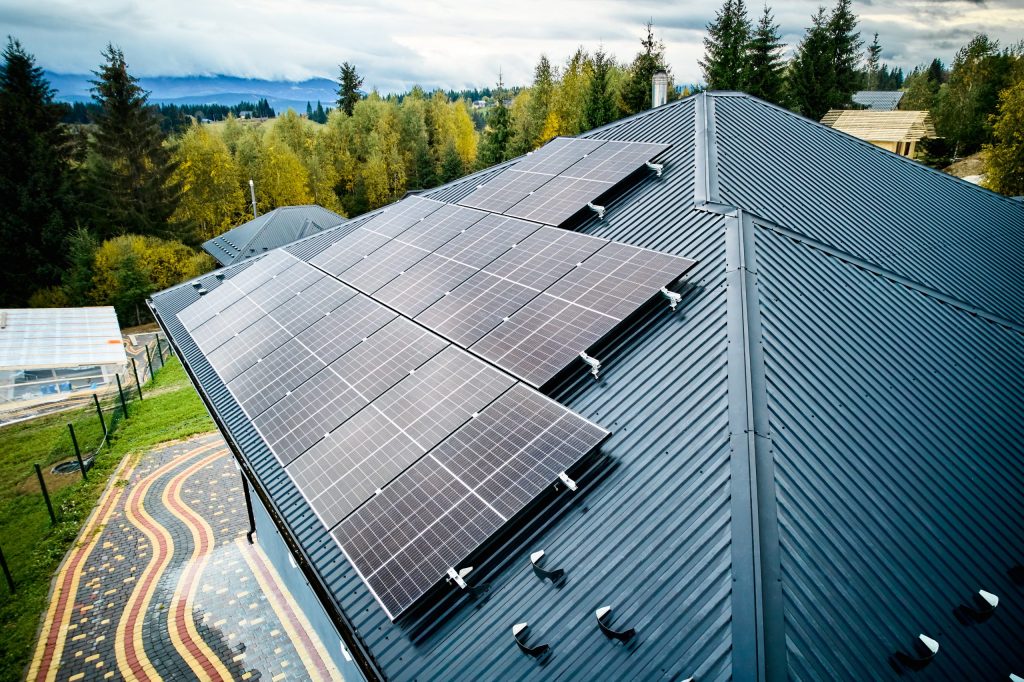
Many roofing products do exceptionally well when subjected to normal climatic conditions, but hot environments require more from roofing systems. Clay roofing tiles have consistently proven effective in hot climates by allowing airflow, slowing heat transfer, and maintaining strong thermal performance under direct sunlight.
Metal roofs tend to reflect light efficiently but rely mostly on external factors, such as coating and ventilation, to regulate heat. In clay tile systems, these features are built in, which results in less heat being transferred into the roofing structure. This lowers cooling costs during hot seasons.
Choosing the Right Energy-Efficient Roofing Material
Selecting energy-efficient roofing materials involves more than choosing a roof that simply reflects sunlight. Long-term performance depends on how well the entire roofing system handles heat, airflow, durability, and weather exposure over time.
For homeowners, builders, and architects looking for a high-performance roofing solution, Verea Clay Tile offers ASTM Grade 1 clay roof tiles engineered for durability, energy efficiency, and long-term performance in demanding climates.
What separates clay tile from most alternatives in hot climates isn’t any single feature; it’s that the ventilation, thermal buffering, and color stability are all built into the material itself, not engineered around it. For a roof that has to perform every day for decades, that distinction matters.