
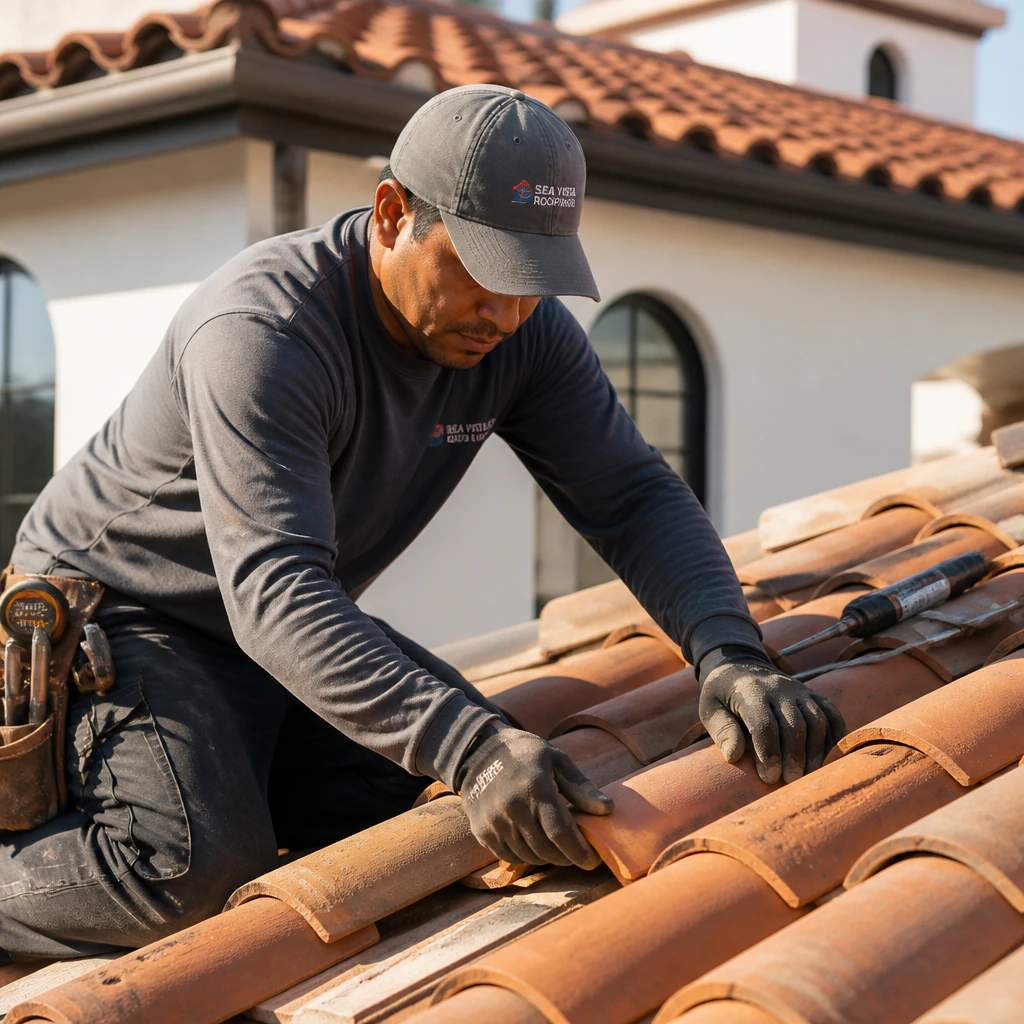
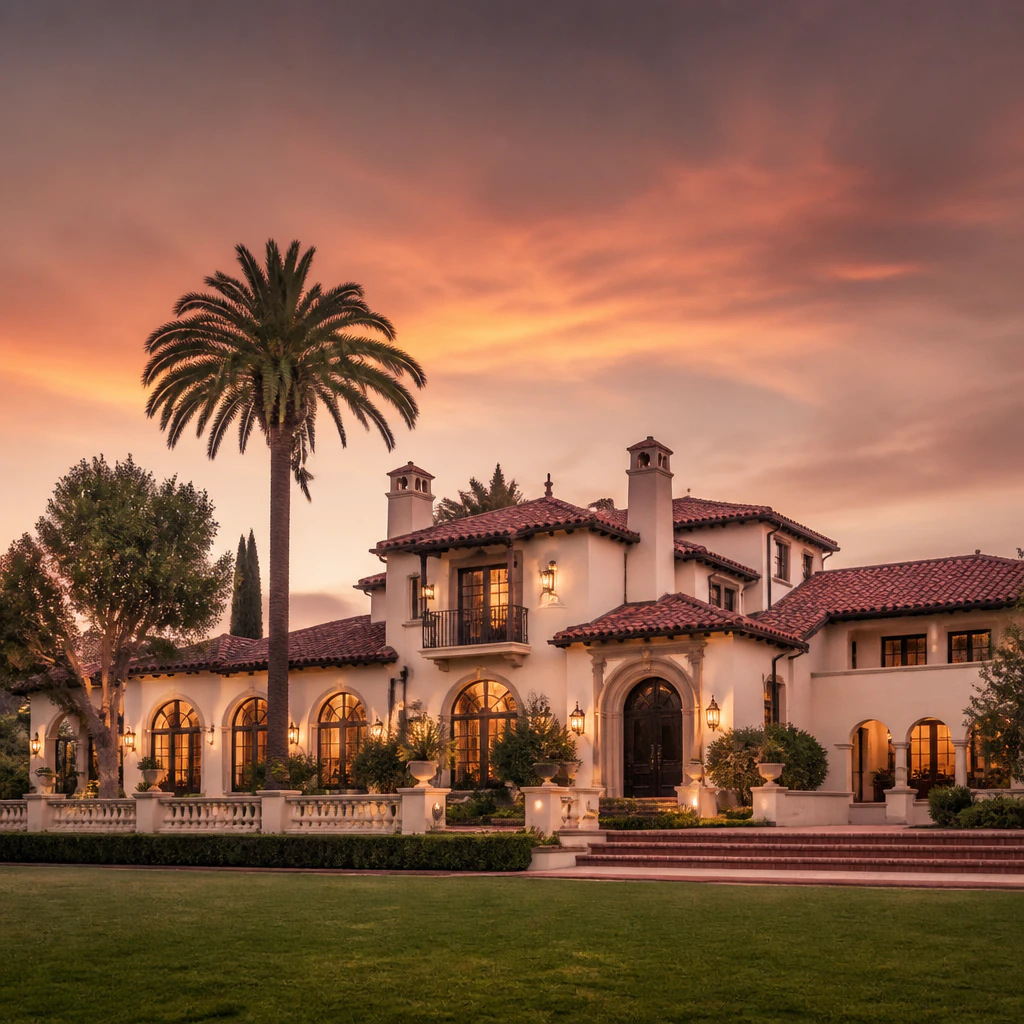
For centuries, Spanish clay tiles have been the foundation of Mediterranean and Mediterranean-style architecture. They have an iconic look—warm terracotta pans, hand-shaped faces, and a texture you only get from fired clay. However, not all clay roof tiles are as durable or as colorful as their appearance suggests. A lot of low-quality imports appear to be fine on day one and struggle after year ten.
Verea Clay Tile is in a different category. Verea has been manufacturing clay roof tile in Northwest Spain since 1967 and is by far the most popular clay roof tile in the U.S. market. This article explains in detail what makes Verea’s Spanish clay tiles different, from the raw material in Galicia to the ASTM specifications the finished product meets.
 What Sets Verea’s Spanish Clay Tiles Apart
 What Sets Verea’s Spanish Clay Tiles Apart
Even though clay roof tiles may appear similar, they are not all created equal. The true distinctions lie in the clay used, the manufacturing method, and the actual testing requirements that each brand adheres to.
Verea is produced in Coruña, in the Galicia region in the Northwest of Spain. Being right next to its source of high-quality roofing clay gives Verea tighter control over consistency than manufacturers that import clay from far away.
The result is an ASTM Grade 1 clay roof tile—the highest grade available. Grade 1 means the tile can be used in any weather exposure, including severe freeze-thaw climates. Because of less advanced manufacturing techniques, many South American clay tile brands struggle to meet the ASTM C1167 standard for transverse rupture strength, water absorption, and permeability. Verea scores high on these tests, and by a large margin in each quarterly testing period.
The Proprietary Clay Manufacturing Process
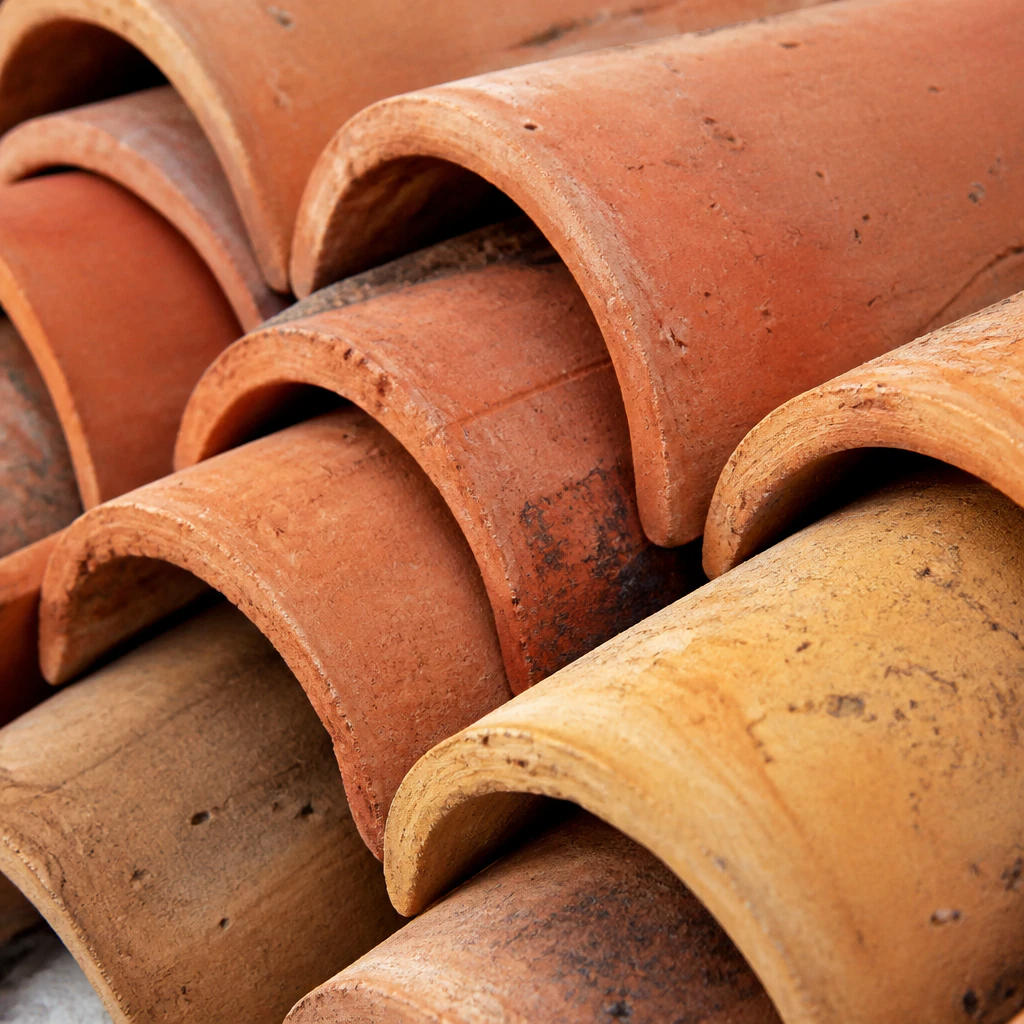
Verea’s manufacturing process consists of just three ingredients: clay, water, and fire. This simplicity is deliberate. It’s one reason the tile is so durable—it contains no resins, sealers, or synthetic coatings.
The clay is mixed, extruded to profile, shaped, and kiln-fired at high heat. This firing—called vitrification—turns raw clay into a sturdy, weatherproof tile, with the color locked into the body.
Verea also operates a proprietary thru-color program, which is a rarity in the industry. While most other brands can only offer tile in a red base and spray-on darker colors, Verea offers true thru-color in Red, Brown, and Graphite. That means the color is uniform throughout the tile body, so Verea thru-color tiles don’t reveal a different shade underneath when scratched or chipped.
For its sprayed selections—Vintage, Fume, Aneja, Jacobea, Cafe, and Santiago Blend—Verea sprays the darker blend over a matching dark base rather than red. That eliminates the unsightly scuff marks that show up on other manufacturers’ dark blends during shipping and installation.
Long-Term Color Performance
Verea’s long-term performance is most evident on the roof, especially in the color. The pigment is fired into the tile, so Verea colors do not fade, chalk, or wash out as surface-applied finishes on concrete tile or asphalt shingles do.
Verea’s sprayed color is guaranteed for 50 years, and the same commitment extends to the thru-color options. The color won’t fade over time because it’s part of the material itself.
Twelve colors and blends are currently available, spanning the three thru-color bases and the full range of sprayed finishes. This spectrum includes all of the Mediterranean color palette, from classic terracotta red to warm Cafe brown to contemporary Graphite. A Verea roof looks the same as the day it was installed, decades later.
Technical Performance of Verea Clay Roof Tile
 Technical Performance of Verea Clay Roof Tile
The difference between a premium clay roof tile and a generic clay roof tile is most measurable in the technical data:
- ASTM C1167 Grade 1 classification. The best-quality clay roof tile for any exposure, even in severe freeze-thaw climates.
- Transverse rupture strength of more than 1200 lbs. The ASTM minimum is 350 lbs, so recent random samples of barrel tile—testing over 1,200 lbs—clear the bar by more than three times.
- Solar Reflectance Index (SRI) of 47.5. Red Verea tile exceeds the 29 SRI threshold for heat-island mitigation. According to the U.S. Environmental Protection Agency, cool roofs with high solar reflectivity can run much cooler than conventional roofs on hot summer days, reducing cooling loads and extending roof life.
- Class A fire rating. Verea clay tile has the highest fire-resistance rating possible for roofing materials.
- Miami-Dade County Notice of Acceptance. Verea profiles are approved under Miami-Dade’s High-Velocity Hurricane Zone guidelines—the strictest wind-uplift requirements in the country.
Certifications such as ISO 14001 and EMAS (European). Verea’s manufacturing complies with international environmental management standards.
Verea tiles are made with over 40% recycled clay, a byproduct of quartz mining. The result is a tile that’s durable, environmentally friendly, and fully recyclable at the end of its life—a combination most roofing materials can’t match.
Profiles for Mediterranean-Style Architecture
Verea has three profiles available to the North American market: the True Barrel, the Spanish S, and the Flat Interlocking. True Barrel is a traditional barrel roof system with convex covers and pans, creating the most prominent shadow lines and the truest Spanish silhouette. The Spanish S is a one-piece tile combining cover and pan, offering the same Mediterranean style with lighter structural requirements and faster installation than the True Barrel. The Flat Interlocking is a new flat variant for modern architecture that has clay’s durability and color permanence without the barrel roof form.
Verea also offers a full range of accessory pieces (ridge, rake, hip, and terminal tiles) that match the entire tile system to ensure color and quality consistency throughout the roof.
Working With Verea Clay Tile
When considering a clay tile roof, architects, builders, and homeowners should ask a few important questions: How durable is it long-term? What will it look like in 30 years? Will it meet the local building code? Verea’s answers are supported by ASTM Grade 1 classification, quarterly rupture strength testing (three times the passing strength), and approval for the nation’s strictest wind zones.
Choosing Verea Clay Tile means getting:
- Grade 1 Galician clay tile, made since 1967
- True thru-color in Red, Brown, and Graphite
- 3 profiles across 12 colors and blends
- Approval for Miami-Dade hurricane-zone construction
- Sprayed color finishes backed by a 50-year guarantee
- Matching accessory and trim pieces
Check out vereaclaytile.com for specifications, to order samples, or for an authorized distributor.