
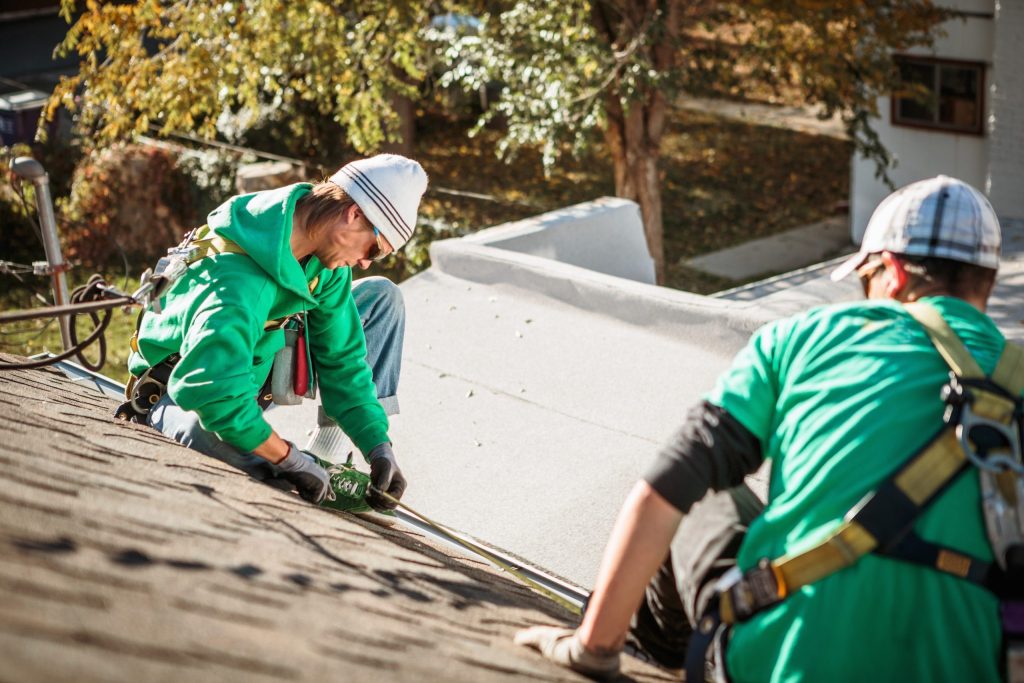
When you think of your home’s roof, what comes to mind? Is it the sturdy shield protecting you from the elements or the aesthetic feature that contributes to your home’s curb appeal?
Roofs serve both functional and aesthetic purposes, but choosing the right roofing material is one of the most significant decisions a homeowner can make. With numerous options available, ranging from traditional asphalt shingles to durable tile roofs, selecting the best material for your roof requires careful consideration of factors such as durability, aesthetics, and climate.
In fact, according to the National Roofing Contractors Association (NRCA), the average lifespan of a roof can range anywhere from 15 to 100 years, depending on the material you choose. This makes it crucial for homeowners to pick a roof material that not only fits their style but also provides the protection and longevity they need.
At Verea Clay Tile, we understand the importance of choosing the right roofing material for your home. If you’re building a new home, replacing an old roof, or considering an upgrade, this guide will help you navigate your options with confidence.
 Types of Roof Materials
 Types of Roof Materials
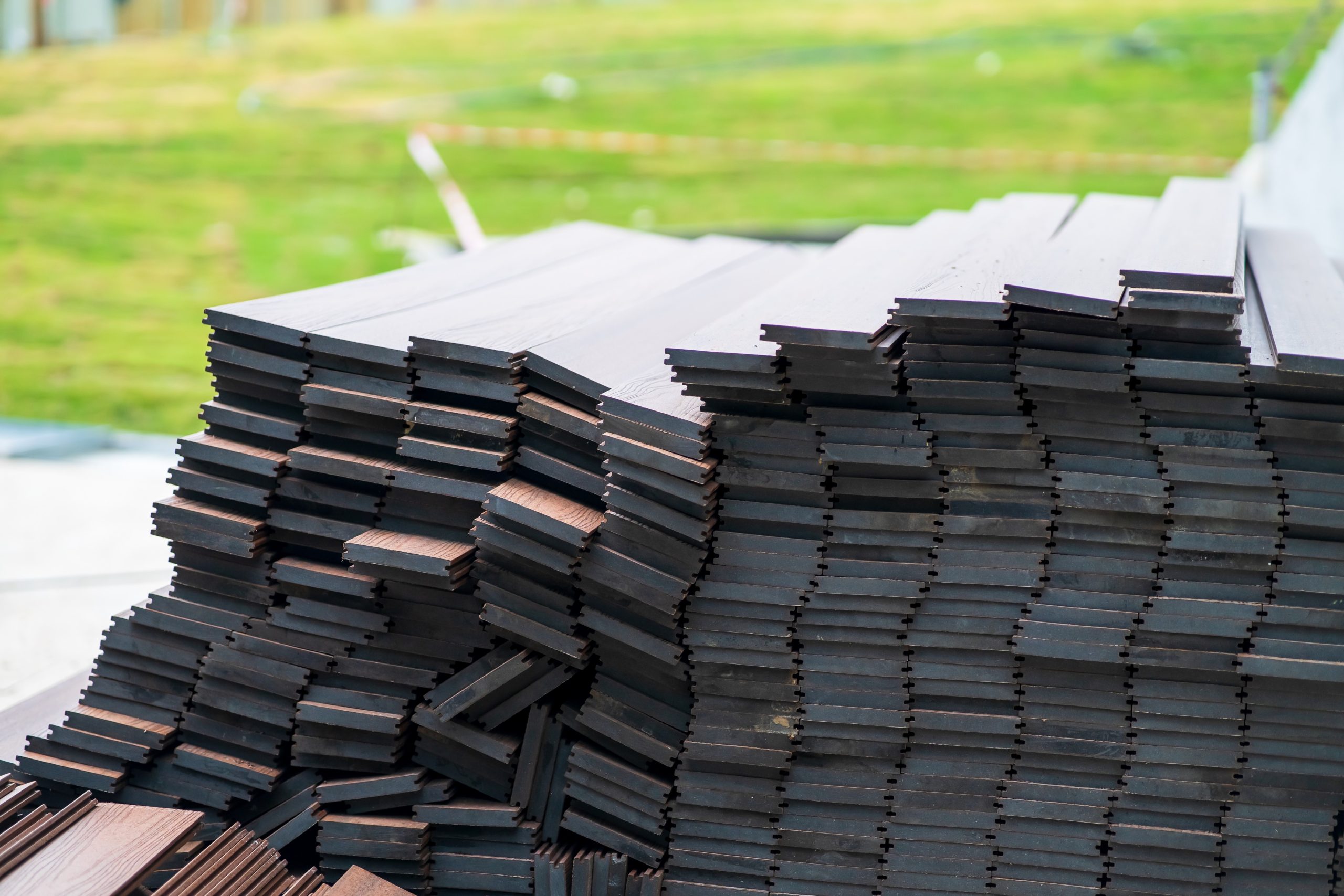
When it comes to selecting roofing materials, several popular options are available to consider. Each material comes with its own set of benefits and drawbacks, depending on factors such as your budget, the local climate, and the overall aesthetic you desire. Here are some of the most common roofing materials used today:
1. Clay and Concrete Tiles
Clay and concrete tiles are known for their durability and distinctive aesthetic. Often used in Mediterranean or Spanish-style homes, tile roofs are both visually appealing and highly functional. Tile roofs can last over 50 years with proper maintenance, making them one of the longest-lasting roofing materials available.
Pros: Extremely durable, long lifespan (50+ years), fire-resistant, low maintenance
Cons: Heavy, higher installation cost, may require additional structural support
These tiles are highly resistant to fire, rot, and insect damage, making them a low-maintenance choice for any climate. Though tile systems are heavier than asphalt or metal, sometimes requiring additional structural support, the investment pays off through reduced upkeep and an enduring aesthetic that enhances curb appeal.
Grade 1 clay roof tile products offer the best color permanence of any roofing material. Concrete and lower-grade clay tile can fade when installed in extreme climates.
2. Asphalt Shingles
Asphalt shingles are the most common type of roof material in the United States. Known for their affordability and ease of installation, asphalt shingles have become a go-to choice for homeowners looking for a quick, cost-effective solution. They come in a variety of colors and styles, including traditional 3-tab shingles and more architectural styles for a modern look.
- Pros: Affordable, widely available, easy to install, variety of styles
- Cons: Shorter lifespan (typically 10-15 years), less durable in extreme weather
If you live in a humid climate or areas prone to algae staining, look for shingles with specially coated granules that inhibit streaks and discoloration. Should hail or high winds be a concern, certain asphalt shingles come with impact resistance ratings and extended warranties designed to protect you against severe weather events.
Proper installation and maintenance are key to maximizing the value of an asphalt roof. A quality underlayment beneath your shingles ensures better waterproofing, while a well-ventilated ridge and soffit system prevents heat and moisture buildup that can shorten a roof’s life. To keep your roof in top shape, schedule inspections once or twice a year and after any major storm to spot cracked, curled, or missing shingles before they lead to leaks.
Even with installation, asphalt shingles remain one of the most cost-effective choices (averaging between $1.50 and $5.50 per square foot installed), making them an excellent option for homeowners looking to balance upfront cost with reliable performance.
To explore our full range of asphalt roofing products or to learn more about installation best practices, visit our roofing products page.
3. Metal Roofs
Metal roofs have gained popularity in recent years due to their durability and energy efficiency. Standing seam metal roofs, in particular, are a favorite among homeowners looking for a sleek, modern design. These roofs can withstand harsh weather conditions, from heavy snow to high winds, and have a lifespan of 10–30 years, depending on the material.
- Pros: Long-lasting (10-30 years), durable, energy-efficient, resistant to extreme weather
- Cons: Higher initial cost, noisy during heavy rain or hail
- Installation is more involved than asphalt but straightforward for experienced roofers: a solid underlayment and proper ventilation remain critical to prevent condensation and ensure peak performance. Once in place, maintenance is as simple as an annual inspection to check for loose seams or debris. Given their longevity, energy savings, and ability to withstand extreme weather, metal roofs represent an outstanding investment for any homeowner.
4. Slate Roofs
Slate roofs are often considered a luxury option due to their high-end appearance and longevity. This natural stone material is one of the most durable roofing options available, with a lifespan of up to 150 years. Slate roofs are ideal for homeowners seeking a sophisticated look and superior durability.
- Pros: Long-lasting (up to 150 years), elegant appearance, fire-resistant, low maintenance
- Cons: Expensive, heavy, requires skilled installation
One of the defining characteristics of a slate roof is its elegant, dimensional appearance. Each tile’s unique veining and subtle color variations lend a refined, timeless look that no manufactured product can truly replicate. Whether your home features a historic architectural style or a modern interpretation, slate complements a wide range of designs, adding significant curb appeal. Many homeowners find that the distinctive profile of a slate roof enhances their property’s value, making it a compelling option when it’s time to install a new roof.
From a performance standpoint, a slate roof is virtually maintenance-free. Slate is naturally fire-resistant, impervious to rot, and unaffected by insect damage. Unlike wood shake or wood shingle roofs, slate does not require periodic treatments or replacements of individual tiles due to weathering.
Routine inspections to ensure flashing and underlayment remain intact are typically all that’s needed to keep your slate roof in optimal condition. Most manufacturers back their slate roofing products with limited warranties of 50 years or more, underscoring the material’s reliability.
5. Wood Shingles and Shakes
Wood shingles and shakes offer a rustic, natural look that’s perfect for homes with a cottage, Cape Cod, or craftsman style. Cedar is a popular wood choice for roofing due to its natural resistance to decay. While these roofs provide excellent insulation, they may require more maintenance than other materials, as they can be prone to rot and moss growth in wet climates.
- Pros: Natural aesthetic, good insulation, eco-friendly
- Cons: Requires regular maintenance, susceptible to rot, can be more expensive
6. Wood Shake Roof
Wood shake roofs are similar to wood shingles but are made from thicker pieces of wood. These roofs have a more textured, rugged appearance, making them ideal for homeowners who want a more natural, rustic look. Like wood shingles, wood shakes are most commonly made from cedar, although other types of wood can also be used.
- Pros: Unique, natural look, great insulation
- Cons: Requires more maintenance, prone to weathering, can be costly
A wood shake roof brings a rugged, natural charm to any home, with each thick, hand-split cedar shake offering its unique texture and grain. Unlike thinner wood shingles, shakes create deep shadow lines and a richly dimensional profile, lending an organic warmth that ages gracefully over time. When new, cedar shakes display a warm golden hue; as weathering occurs, they mellow to a silvery-gray patina that many homeowners find increasingly appealing.
Cedar’s natural oils help resist moisture and insect damage, but regular upkeep is essential. To preserve the integrity of a wood shake roof, homeowners should schedule professional inspections every few years to replace any cracked or split shakes and to clear debris that can trap moisture. Treating the roof with a water-repellent preservative and ensuring adequate attic ventilation will extend its lifespan and help prevent mold or rot.
7. Cedar Roofs
Cedar roofing is another type of wood roofing that combines the natural beauty of wood with exceptional durability. Cedar is known for its resistance to rot, insects, and extreme temperatures, making it a solid option for homeowners who want a sustainable and long-lasting roof.
- Pros: Rot-resistant, visually appealing, durable
- Cons: Requires maintenance, more expensive than other wood options
From a performance standpoint, a well-installed cedar roof can last 10 to 20 years, with some higher-grade cedar shakes and shingles reaching even longer lifespans when maintained correctly. Proper installation hinges on using a quality underlayment, ensuring adequate attic ventilation, and following manufacturer guidelines for spacing and fastening.
Routine inspections (ideally twice a year) are essential to identify any warped or cracked shakes before they lead to leaks. Though cedar roofing carries a higher upfront cost than asphalt roofing, its long-term durability and thermal insulating properties often translate into energy savings and reduced maintenance over the life of your roof.
Factors To Consider When Choosing Roof Materials
Choosing the right roof material involves more than just picking the most aesthetically pleasing option. Homeowners should consider several factors to ensure their choice fits their needs, preferences, and budget. Here are some of the most important factors to keep in mind when choosing the best roofing materials for your home:
1. Durability and Lifespan
Different roofing materials have varying lifespans, with some lasting just a few decades, while others can endure for a century or more. Consider how long you want your roof to last and whether you’re willing to invest in a material with a longer lifespan, such as tile or slate, or if you prefer something more cost-effective but shorter-lived, like asphalt shingles.
2. Climate and Weather Conditions
Your local climate plays a significant role in determining which roofing material is best for your home. For instance, if you live in an area with heavy rainfall or snow, a durable material like slate, metal, or concrete tiles may be ideal. On the other hand, if your area experiences extreme heat, a reflective roof material like metal or clay tile can help keep your home cool.
3. Aesthetics and Curb Appeal
A roof is a major component of your home’s overall appearance, and the material you choose will have a significant impact on its curb appeal. If you want a traditional, classic look, asphalt shingles or wood shakes may be your best bet. For a more modern or Mediterranean aesthetic, consider standing seam metal roofs or tile.
4. Energy Efficiency
Some roofing materials, such as metal, can reflect heat away from your home, helping to reduce energy costs in hot climates. In contrast, other materials like asphalt shingles can absorb heat, potentially leading to higher cooling costs during the summer. Be sure to consider energy efficiency when choosing your roofing material.
5. Cost
The cost of roofing materials varies widely depending on the type you choose. Asphalt shingles are the most affordable option, while slate and tile are on the more expensive end of the spectrum. It’s important to balance your budget with the long-term value that each material offers.
6. Maintenance
Certain roofing materials require more maintenance than others. For example, wood shingles and shakes may need regular cleaning and treatment to prevent rot and moss growth, while tile and metal roofs are generally low-maintenance. Be sure to factor in the amount of upkeep required when choosing your roofing material.
 Roof Warranty and Limited Warranties
 Roof Warranty and Limited Warranties
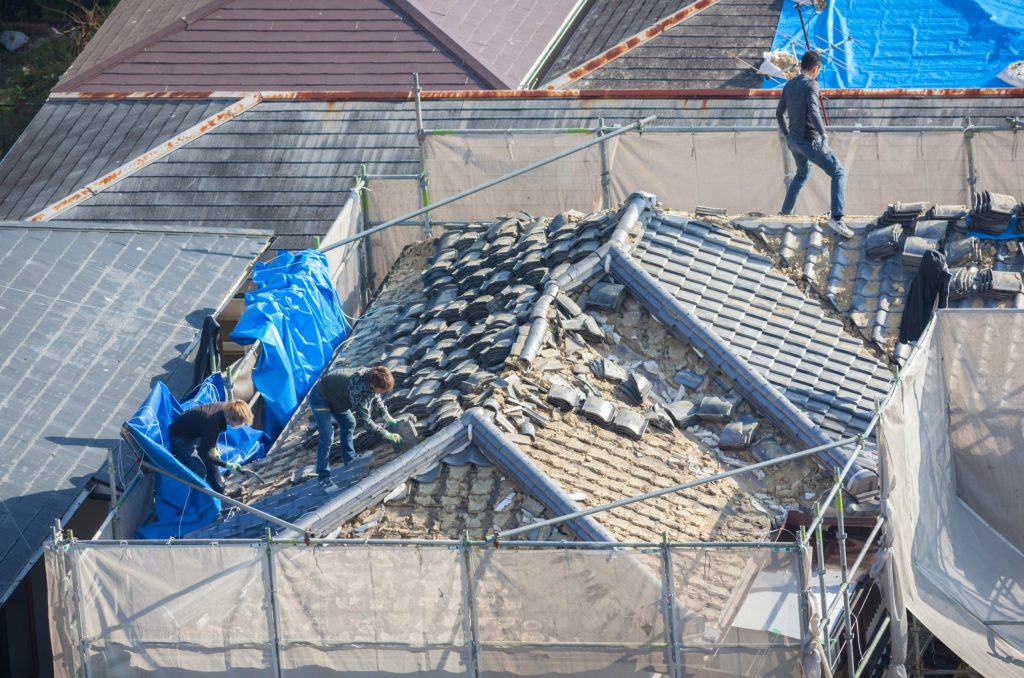
When selecting your roofing material, it’s essential to consider the warranty offered by the manufacturer. Many roofing products come with limited warranties that can range from 10 years to a lifetime, depending on the material and brand. Be sure to read the fine print to understand what is covered under the warranty and if there are any limitations.
Limited warranties vary widely across roofing materials, so it’s important to read the fine print. Limited warranties can also impose conditions on ventilation, underlayment type, and even the method of installation, so be sure to ask your contractor to document compliance with all manufacturer guidelines. Verea clay roof tile products come with a lifetime no-fade color warranty. Enjoy the peace of mind of knowing what your roof will look like in 5, 10, 20, or 30 years.
As a homeowner, you can strengthen your warranty protection by registering your new roof with the manufacturer as soon as it’s installed and by keeping a copy of the original purchase and installation documents. Regular roof system inspections (ideally conducted annually) will help you catch minor issues, like a cracked tile or loose flashing, before they escalate into warranty-related claims.
If you have questions about specific warranty terms or need guidance on meeting the requirements for your roofing products, visit our warranty information page or contact Verea Clay Tile directly.
Factors To Consider When Choosing A Roofing Material
Choosing the best roofing material for your home is an important decision that impacts both the function and beauty of your house. Whether you opt for the durability of a standing seam metal roof, the elegance of a slate roof, or the affordability of asphalt shingles, it’s crucial to select a material that suits your needs and budget.
Here are a few things to consider:
- Durability & Lifespan
- Local Climate & Weather Resistance
- Aesthetic & Curb Appeal
- Energy Efficiency
- Upfront Cost & Long-Term Value
- Maintenance Requirements
- Weight & Structural Support
- Warranty Coverage
- Fire & Impact Resistance
- Available Styles & Color Options
By considering factors like durability, climate, aesthetics, and cost, you can make an informed decision that will provide lasting value and protection for your home. And remember, a well-chosen roof isn’t just about functionality, it’s also about adding curb appeal and increasing your home’s value.
To learn more about high-quality roofing options, including tile and other materials, explore our roofing products today and discover the best solution for your roofing needs.