

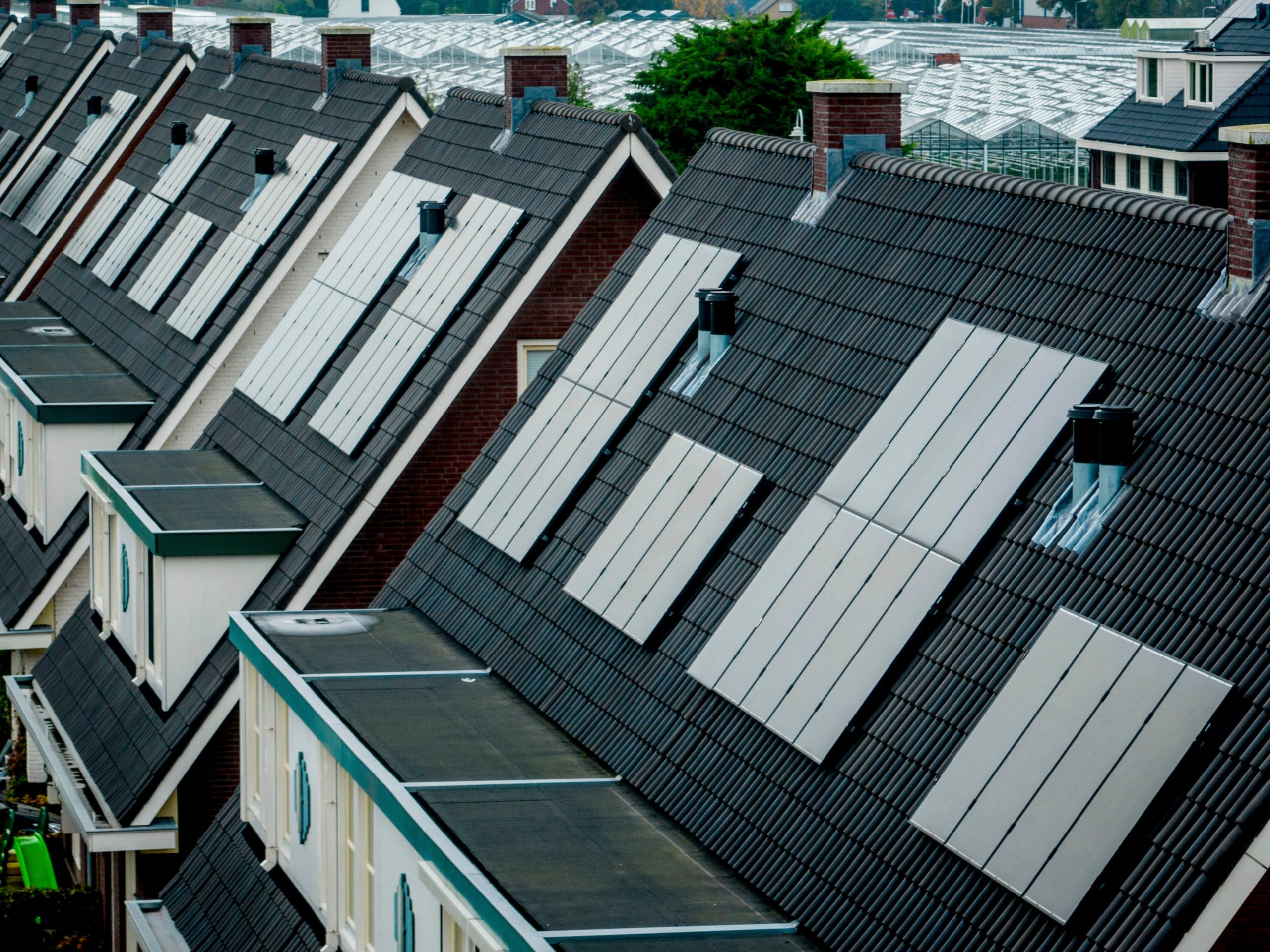
Your roof is one of the primary drivers of how much heat enters your home—and how much you pay to remove it. It is the cover of your home from the sun, and its ability to manage heat has a direct impact on your cooling bills.
Many homeowners don’t consider their roof unless there is a leak or visible damage. By this point, they might have already wasted years paying too much for cooling costs due to roofing materials that do not manage heat effectively over time.
Energy-efficient roofs should not be evaluated based solely on upfront cost, but on how materials perform over decades of exposure to heat, sunlight, and environmental stress. It is just a matter of understanding the different behaviors of the materials that your roof is made of and being able to make the right choices that will give you the most efficient results. Some roofs cause your attic to be an oven, and others will provide you with a cool place to be.
Clay roofing systems perform differently. Because clay tile is built to last for generations, its thermal performance remains consistent over the entire lifespan of the roof. Unlike metal roofing systems, which often require recoating, refinishing, or replacement within a few decades, Grade 1 clay tile maintains its structural integrity and thermal behavior over time. Its natural thermal mass helps moderate heat transfer, keeping attic and interior temperatures more stable year after year.
Verea Clay Tile is here to help homeowners who desire a roof that will function well, especially in hot weather, not just today, but decades into the future. The difference between a roof that performs well in the hot weather and a roof that makes the hot weather worse is all down to the behavior of the materials that your roof is made of.
 How Roof Materials Affect Energy Efficiency
 How Roof Materials Affect Energy Efficiency
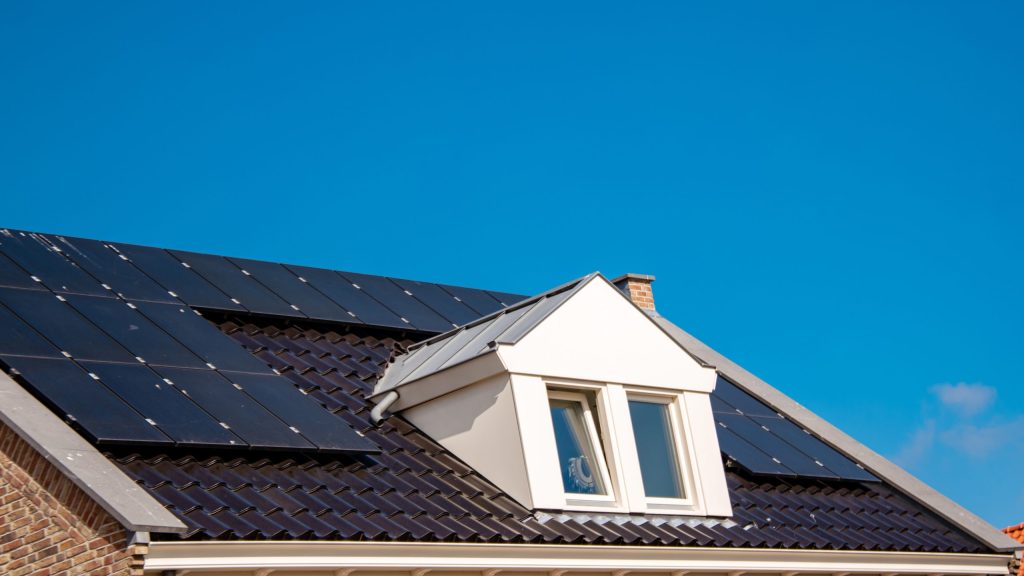
Energy efficiency in roofing starts with the basic science of heat transfer. When the sun’s rays strike the roof, the roofing material either reflects them, absorbs them, or transmits them through the roof. The next step is to determine whether the attic stays cool or becomes a heat chamber.
How Different Roofs Transfer Heat:
- Dark-Colored Roofs: Dark-colored roofs are the ones that are typically black or have a high amount of black pigment in the roofing material. They are the most susceptible to absorbing the sun’s rays. When the sun’s rays fall on the roof, the energy from the sun is converted into heat energy. The heat energy is then transferred to the attic area of the home. Without proper insulation and ventilation, heat is transferred to the home’s living area. Your air conditioning unit works harder to keep the home cool, and you get higher bills.
- Reflective Roofs: Some roofs have materials that are designed to reflect the sun’s rays. Under certain conditions, reflective roofing surfaces can reduce roof temperatures by several tens of degrees compared to dark-colored roofs. This reduces heat transfer.
Research from Lawrence Berkeley National Laboratory shows just how large that difference can be. On hot, sunny days, highly absorptive dark roofs can reach surface temperatures up to 50°C (about 90°F) above ambient air temperature, while high-reflectivity roofs may remain only around 10°C (about 18°F) above ambient. This substantial temperature gap explains why reflective roofs reduce heat flow into the attic and living space so effectively.
- Thermal Mass: Some roofs have materials that have the capacity to either heat up or cool down quickly, or to heat up or cool down slowly. In hot climates, roofs with high thermal mass and reflective surfaces help to stabilize temperatures.
Types of Energy-Efficient Roofing Materials
Different roofing options perform differently based on their physical properties:
- Metal roofs.
Metals are good heat conductors. However, this same property that makes metals good for cookware makes them challenging for roofing. While metals are good reflectors of solar irradiation, especially when they are light-colored, they do not necessarily control heat transfer. Hence, it is primarily the performance of the underlayment, ventilation strategies, and installation of the metal roofing systems that control heat transfer beneath the surface.
- Clay tile roofs provide lasting control over energy consumption.
Clay tile roofs are designed for longevity and as such, they outlast metal roofs. Metal roofs require replacement, recoating, or refinishing every few decades, while Grade 1 clay tile lasts for generations.
They are also better when it comes to energy efficiency by far. Tile materials absorb heat gradually and do not get hot as quickly as metal or asphalt roofs do. The space under the tiles allows for air circulation, so heat escapes before penetrating the attic space, this makes it perfect for hot climates. Clay tile also has natural thermal mass and durability, which helps to stabilize interior temperatures over the roof’s entire life, providing energy savings now and for decades to come.
When properly installed, Grade 1 or Grade 2 clay tile roofs will last 75 to 100+ years, without any reduction in thermal performance capabilities.
- Cool roof coatings enhance existing roofs.
If replacing a roof isn’t practical, reflective coatings may enhance the energy performance of asphalt or flat roofs. These types of coatings reflect the sunlight away from the surface, reducing roof temperature. While they don’t work as well as specially designed cool roofing materials, they are a good way of gaining improvements at a reduced cost.
- Energy efficient shingles help to minimize heat absorption.
Traditional dark asphalt shingles absorb high quantities of heat. Newer energy-efficient shingles also have reflective granules applied to them that reduce heat absorption. However, they don’t have the kind of performance of tile roofs; they are efficient but tend to last 15 to 30 years.
- Green roofs create natural insulation.
Green roofs make use of plants and layers of soil in order to absorb sunlight and provide insulation for buildings. Plants use the sunlight to grow instead of converting it to heat, and the moisture emitted from vegetation cools the air around it. Green roofs are a good practice in urban settings, but they require structural support, maintenance, and higher installation costs.
- Plastic / Composite Roofing
Plastic and composite roofing materials are still a relatively new product line. While some of the materials have shown promise in initial product testing, the product line has yet to be proven in terms of long-term energy efficiency and longevity. Questions remain about how well these synthetic materials are going to hold up to the elements. Other traditional roofing materials, like clay tile, have a proven track record of success after a century of use, while composite materials have yet to see more than a few decades of product life.
Understanding Cool Roof Technology
Cool roof systems leverage the reflective and emissive properties of materials to reflect sunlight and radiate absorbed heat back into the environment rather than transferring it into the building.
Two variables are used to determine the performance of cool roofs:
- Solar Reflectance: The ability of the roof to redirect the sun’s rays. The level of solar reflectance is measured using a scale of 0 to 1. The higher the solar reflectance, the less heat the roof absorbs.
- Thermal Emittance: The ability of the roof to emit the absorbed heat. The faster a roof can dissipate absorbed heat, the better its performance. The level of performance is determined by the level of emittance.
Cool roof products are designed to maximize solar reflectance and thermal emittance, ensuring the roof remains cool and does not transfer absorbed heat into the building. Natural terracotta clay tile delivers cool-roof performance without surface coatings or special pigments, thanks to its inherent reflectance, thermal mass, and the ventilated air space created by the tile installation system.
- Energy Star: A performance measure that requires cool roofs to attain a minimum level of solar reflectance and emittance based on the type of roofing and slope of the roof.
Performance over time also matters, since dirt and weathering reduce reflectivity. Quality cool roofs maintain effective performance even after years of exposure.
How Roof Color Impacts Energy Performance
The roof color is critical because it determines how much heat is absorbed or reflected. Light-colored roofs are more reflective and may remain 50-60 degrees cooler compared to dark-colored roofs. This may result in an additional 10-15 percent in energy savings.
The introduction of new “cool color” technology has enabled dark roofs to reflect more of the invisible heat. This has made them more effective while still maintaining their original look.
Dark roofs have proved to be very effective in colder climates as they help melt snow. The most important thing to consider when purchasing a roof is to look for a roof that can perform well during all seasons, including winter.
Real Energy Savings From Energy-Efficient Roofing
Actual energy savings depend on multiple factors: your climate, existing roof condition, insulation levels, home design, and local energy costs.
Department of Energy studies have shown that cool roofs made with appropriately designed materials can reduce cooling energy use by 10 to 15 percent in hot, sunny climates. In some cases—especially in buildings with poorly insulated attics—energy savings can reach up to 20 percent. That can translate into meaningful annual dollar savings, particularly in high-sun regions, depending on the home’s size, the quality of insulation in key areas, and local energy costs. Tile roofs offer excellent long-term value in appropriate climates. The upfront cost exceeds that of asphalt and even metal, but tile’s durability and thermal performance create savings that compound over decades.
The best energy savings come from combining an energy-efficient roof with proper attic insulation and ventilation. A cool roof helps prevent heat from entering the attic, but if the attic lacks adequate insulation, you’re still losing efficiency.
Choosing Energy-Efficient Roofing for Your Home
Selecting the right roofing solution means matching material behavior to your specific situation.
Consider these factors:
- Local climate and sun exposure. How many cooling degree days does your area experience annually? Homes in southern states or high-altitude locations with intense sun benefit most from cool roof technology.
- Existing roof condition and replacement timeline. If your current roof has years of life remaining, roof coatings may be a good option. If you’re already planning roof replacement, invest in inherently energy-efficient materials.
- Home design and attic configuration. Homes with low attic insulation, poor ventilation, or cathedral ceilings lose more energy through the roof. These situations benefit most from high-performance roofing materials.
- Budget and long-term plans. If you’re selling soon, expensive roof upgrades might not make financial sense. If this is your forever home, investing in durable, efficient roofing pays back over decades.
- Aesthetic preferences and HOA requirements. Some neighborhoods restrict roofing types or colors. Work within those constraints while maximizing energy performance.
A roof inspection by a qualified roofing contractor identifies current condition, ventilation issues, and insulation gaps. Many energy problems blamed on roofs actually stem from inadequate attic insulation or blocked ventilation.
 Installation and Maintenance for Long-Term Performance
 Installation and Maintenance for Long-Term Performance
The best energy-efficient roofing materials are useless if they’re installed incorrectly or poorly maintained. Clay tile roofing systems can be installed by any licensed roofing contractor if the manufacturer and industry installation guidelines are followed.
Installation essentials:
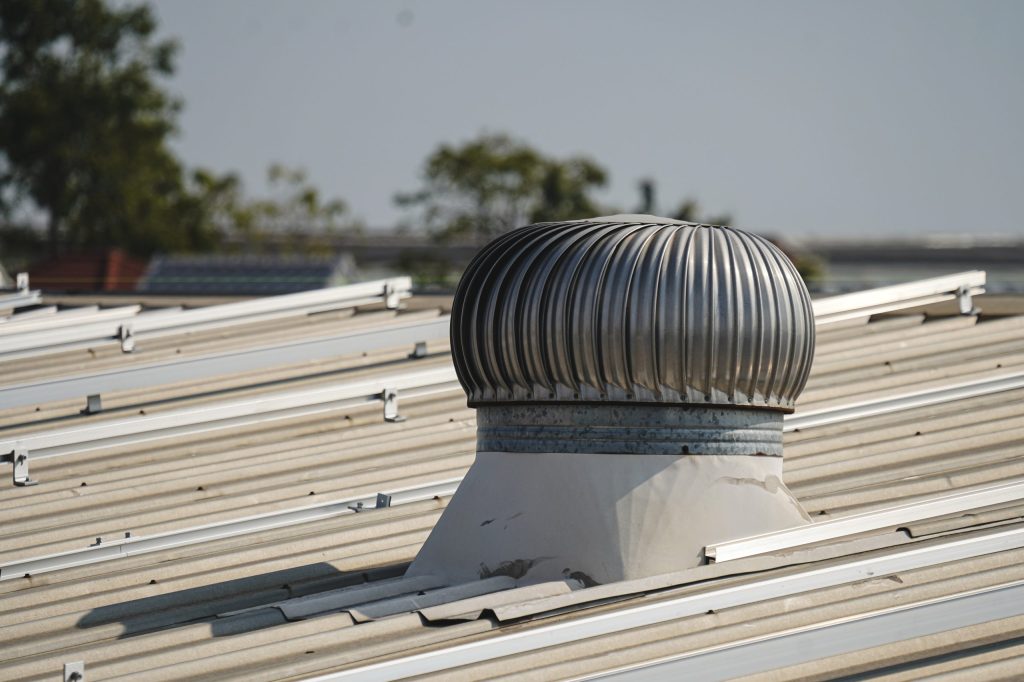
- Proper ventilation through ridge vents and soffit vents, along with adequate airflow, prevents heat buildup even with reflective roofs.
- Quality underlayment and moisture barriers protect the roof deck from water intrusion that compromises the effectiveness of the insulation.
- Radiant barriers installed in attics complement cool roofs by blocking radiant heat transfer from the roof surface.
Maintenance requirements:
- Regular cleaning to remove leaves, branches, and dirt that reduce reflectance. Follow manufacturer guidelines to avoid damage.
- Algae and moss treatment, particularly in humid climates. Dark streaks absorb heat and reduce reflection.
- Inspection after severe weather to identify damage before small problems become expensive repairs.
- Reapplication of cool coatings according to product specifications, typically every 10 to 20 years.
Well-maintained energy-efficient roofs deliver consistent savings year after year. Neglected roofs lose performance and fail prematurely.
Making the Right Choice for Your Home
Energy efficient performance of roofing is a matter of material performance in actual conditions. How does it react to sunlight? How much heat does it absorb? And how quickly is that heat released?
Different materials provide different answers to those questions. Metal reflects and radiates heat rapidly. Tile moderates temperature through thermal mass and airflow. Green roofs use living plants and soil layers as natural insulation.
The best option is based on your climate, budget, or home design. There’s no such thing as the “best” energy-efficient roof – only the best for your particular needs.
Verea Clay Tile produces Grade 1 clay roofing systems that are designed to control heat, resist climate-induced degradation, and perform by the generation – not warranty cycles. Clay tile is particularly good in hot climates where the thermal properties and reflective surface combine with a century long life span to provide exceptional value. Whether you’re constructing a new roof or planning a roof replacement, knowing how materials actually work will help you make decisions that lower your energy costs and increase your comfort for years to come.
Energy Efficient Roofing Performance Explained Through Material BehaviorEnergy Efficient Roofing: How Roof Materials Affect Performance, Cooling Costs, and Long-Term Value
Energy efficient roofing reduces heat transfer, lowers cooling bills, and improves indoor comfort — especially in hot, sunny climates. But not all roofs manage heat the same way. The real difference comes down to material behavior: how a roofing material reflects sunlight, absorbs heat, stores it, and releases it over time.
Some roofing systems trap heat and push it into the attic. Others slow it down, stabilize it, or redirect it entirely. Understanding that difference is key to choosing a roof that performs well not just this summer, but for decades.
At Verea Clay Tile, long-term material performance is central to roof design. Roofing systems are evaluated not only for surface reflectivity, but for how they behave after years of solar exposure in real-world conditions.
How Roofing Materials Affect Energy Efficiency
When sunlight hits your roof, three things can happen: it can be reflected, absorbed, or transferred into the structure below. The combination of those factors determines how hard your HVAC system must work.
On hot, sunny days, highly absorptive dark roofs can reach surface temperatures up to 50°C (about 90°F) above ambient air temperature, according to research from Lawrence Berkeley National Laboratory. High-reflectivity roofs may remain closer to 10°C (18°F) above ambient. That temperature gap directly affects attic heat buildup and cooling demand.
If the attic overheats, your air conditioning system compensates — and your energy bills reflect it. Energy efficient roofing reduces that transfer through reflectivity, thermal control, and system design.
The Three Core Drivers of Roof Energy Performance
Solar Reflectance
Solar reflectance measures how much sunlight a roof sends back into the atmosphere instead of absorbing it. Rated on a scale from 0 to 1, higher numbers indicate less heat absorption. Light-colored roofing materials typically reflect more sunlight, though reflectivity alone does not guarantee sustained energy performance over decades.
Thermal Emittance
Thermal emittance measures how efficiently a roof releases absorbed heat. A material that cannot dissipate heat effectively can continue transferring warmth into the structure even after sunset. High-performing cool roof systems balance both reflectivity and heat release.
Thermal Mass and Heat Moderation
Some materials heat up rapidly and cool rapidly. Others warm more slowly and release heat gradually. This property, known as thermal mass, plays a critical role in hot climates. Roofing materials with higher thermal mass can moderate temperature swings rather than transmitting sudden spikes of heat into the attic.
Comparing Energy Efficient Roofing Materials
Metal Roofing
Metal reflects solar radiation effectively, especially in lighter colors. However, metal is also a strong heat conductor. Without proper underlayment, insulation, and ventilation, heat can transfer quickly beneath the surface. Long-term performance often depends on coatings and finishes that may require maintenance or renewal.
Asphalt Shingles
Traditional dark asphalt shingles absorb substantial heat. Energy-efficient versions use reflective granules to improve performance, but typical lifespans range from 15 to 30 years. Surface reflectivity may degrade as granules wear over time.
Cool Roof Coatings
Reflective coatings can improve the performance of existing asphalt or flat roofs. These coatings lower surface temperatures but generally require reapplication every 10–20 years to maintain performance levels.
Green Roofs
Green roofs utilize vegetation and soil layers for natural insulation and evaporative cooling. While beneficial in urban environments, they require structural support, irrigation management, and ongoing maintenance.
Clay Tile Roofing
Clay tile roofing systems behave differently from low-mass roofing materials. High-density clay has natural thermal mass, meaning it absorbs heat gradually and releases it slowly. Traditional tile installation also creates a ventilated air channel beneath the tiles, allowing heated air to move and escape before penetrating the attic.
Verea Clay Tile manufactures Grade 1 clay roofing systems engineered for long-term structural and thermal integrity. Unlike coating-dependent systems, clay tile performance is rooted in inherent material properties rather than applied finishes. When properly installed, Grade 1 clay tile roofs can last 75–100+ years while maintaining consistent thermal behavior.
In hot climates, this combination of reflectivity, airflow, and thermal moderation helps stabilize attic temperatures year after year.
How Roof Color Impacts Energy Efficiency
Roof color influences heat absorption. Light-colored roofing materials may remain 50–60°F cooler than darker surfaces under direct sunlight. In warm climates, this can translate into measurable cooling energy savings. In colder climates, darker surfaces may assist with seasonal heat gain and snow melt.
Selecting the right roofing solution requires climate-specific evaluation rather than a one-size-fits-all approach.
How Much Can Energy Efficient Roofing Save?
According to the U.S. Department of Energy, properly designed cool roof systems can reduce cooling energy use by 10–15 percent in hot, sunny climates. In buildings with poorly insulated attics, savings can reach up to 20 percent.
Actual savings depend on climate, insulation, ventilation, home design, and local energy costs. Maximum performance occurs when energy efficient roofing is combined with proper attic insulation and ventilation.
Long-Term Performance and Material Durability
Surface temperature alone does not define long-term value. Reflective coatings may degrade, pigments can fade, and dirt accumulation reduces reflectivity over time. Roofing materials with inherent durability may provide more stable energy performance across decades of exposure.
Because clay tile does not rely on applied surface coatings for its structural properties, its performance remains consistent through extended climate cycles. This durability reduces lifecycle replacement frequency compared to shorter-warranty systems.
Choosing Energy Efficient Roofing for Your Home
Selecting the best roofing material involves evaluating local climate, attic configuration, insulation quality, budget, and long-term ownership goals. Homes in southern states and high-sun regions benefit most from roofing systems that prioritize reflectivity, airflow, and thermal moderation.
A professional inspection can identify ventilation issues or insulation gaps that may affect energy performance more than roofing color alone.
Conclusion
Energy efficient roofing is not simply about choosing a lighter color or applying a surface treatment. It requires understanding how materials respond to solar exposure over decades.
Metal reflects and radiates quickly. Asphalt absorbs and depends on surface treatments. Green roofs insulate through vegetation. Clay tile moderates heat through thermal mass and ventilation.
Verea Clay Tile produces Grade 1 clay roofing systems designed for long-term performance in demanding climates. When evaluating roofing options, consider not just immediate temperature reduction, but how the material will perform after years of sun, weather, and environmental stress.
Energy performance is a long-term decision. Your roof should be too.