

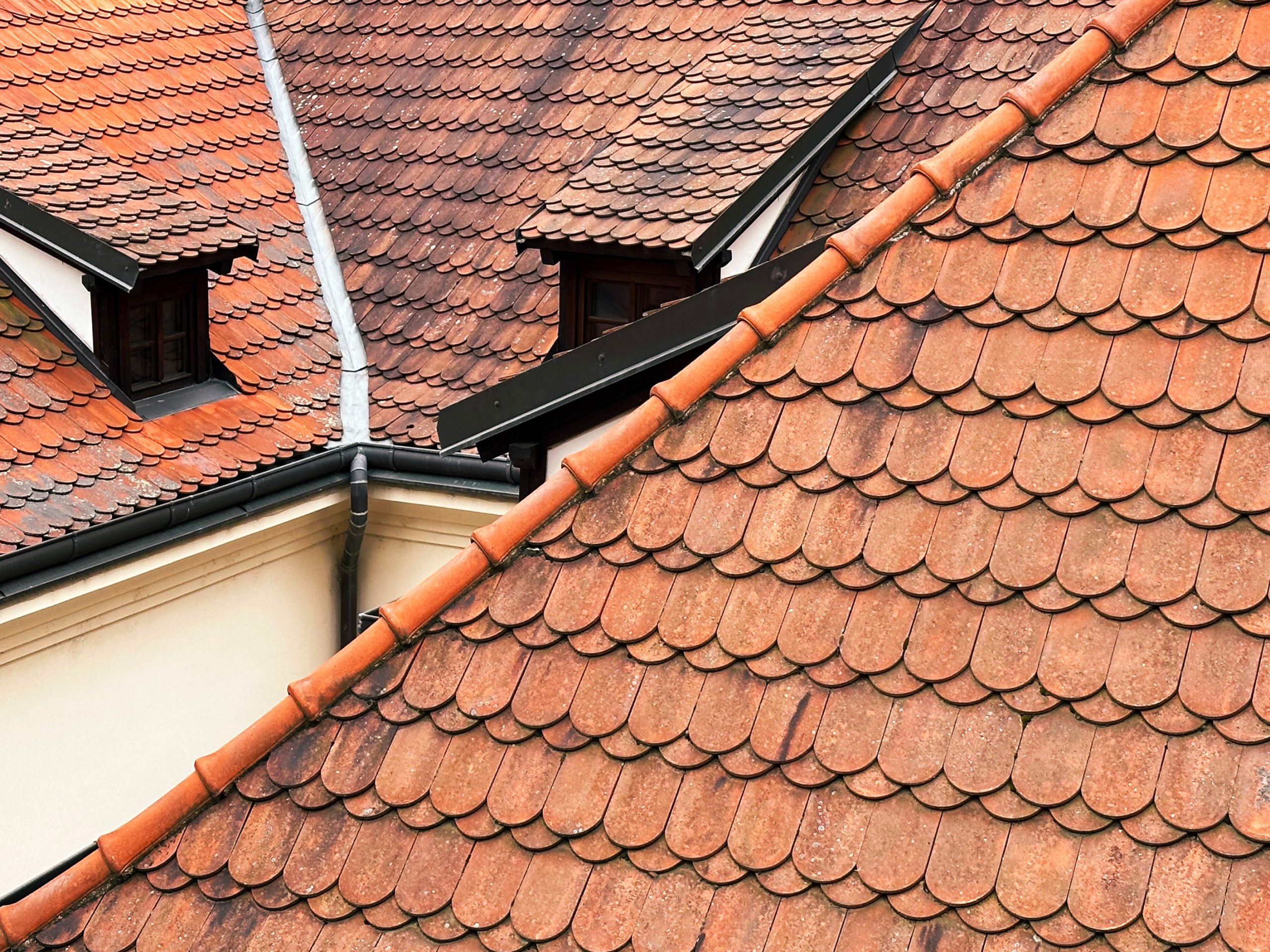
The climate of Florida is as stunning as austere. The Florida weather, with the relentless sun, the drenching rains, and the hurricane-force winds, does not leave any place where a roof system is put to the test. To homeowners, the correct roofing material not only concerns curb appeal, but also extends to defending their long-term investment.
As the U.S. Department of Energy states, about forty percent of the total energy consumed by an average Florida family is directed to cooling mechanisms. Thus, the thermal performance of a roof as well as the amount of air that can be carried out by the roof becomes all the more important. The incorrect material, however, can heat up and wear out quickly or not be maintained in the constant process of water and UV light.
In Verea Clay Tile, quality natural clay roof tiles have been developed over decades with the specific purpose of managing the extreme weather of Florida, and at the same time, by improving the unique architectural appearance of the state.
In the choice of clay and concrete roof tiles, however, which one is really the best in Florida weather?
 Understanding The Two Materials
 Understanding The Two Materials
Prior to performance comparison, one should value the following about the clay and concrete roof tiles regarding their composition, performance, and behavior under the extreme conditions of heat and humidity in Florida regions, as well as coastal conditions.
Clay Roof Tiles
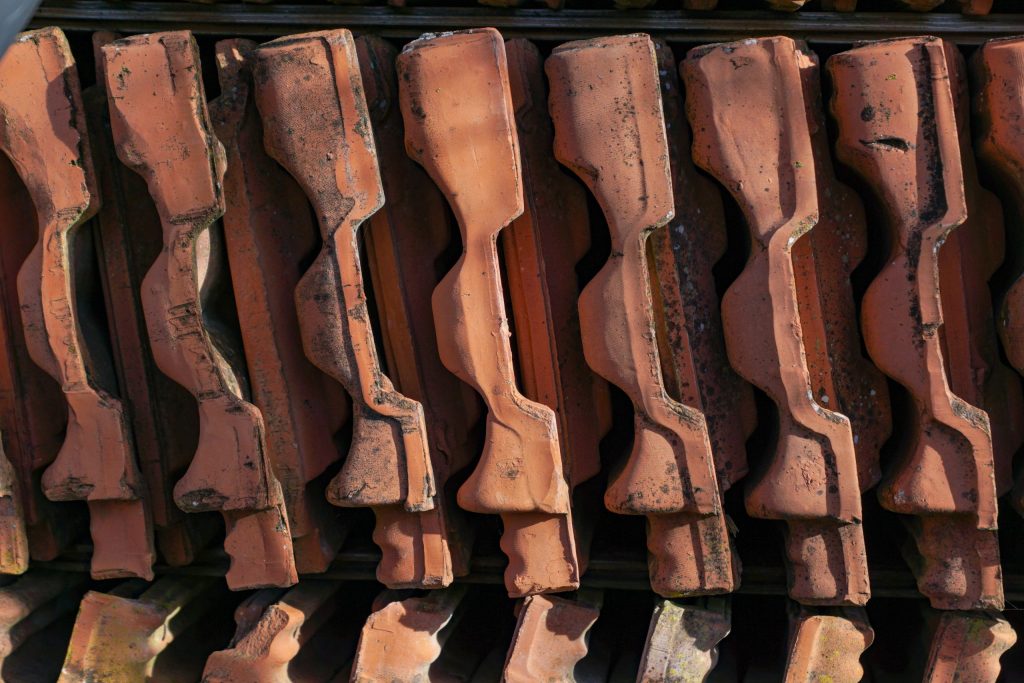
Clay tiles have been in existence for centuries because they are robust, color-resistant, and everlasting. They are formed out of natural clay, moulded, dried, and high-temperature fired, giving them weather-proof, dense tiles that can last 75 years or longer.
At Verea, our clay roofing tiles are designed with regard to Florida weather. Every tile is water absorption tested, impact tested, and also color permanence tested. Homes are also cooled during hot summer days with the help of the natural thermal properties of clay, which is a good reflector of heat.
Concrete Roof Tiles
The mixture of cement, sand, and water is used to prepare concrete tiles. They are rolled into shape and allowed to dry and leave a dense solid final product. However, concrete is permeable by its nature and therefore the concrete tiles absorb water over a period of time. This may be a problem in such regions as Florida, which is a humid or coastal area where moisture constantly acts as a wear factor on surfaces and possibly raises the rate of roof repairs.
Clay Vs. Concrete: What Roof Tile Stays The Colour In Time.
In the Florida climate, color holdup is not just an issue of appearance; it’s an issue of worth. Exposure to sunlight, sea salt air, and hard rain can yellow or fade some types of roofing materials too soon. Pitted against one another, clay vs concrete roof tiles, the durability of color over time is one of the most obvious distinctions. Here’s why:
- Clay roof tiles are colored by the firing process, with pigments fired into the tile. This embeds the color within the material, rather than as a surface finish.
- Concrete tiles are manufactured with surface pigments or coatings, which can degrade or wear off with extended UV exposure.
- Clay tiles resist discoloration less because they do not rely on paint or sealant to maintain color.
- Concrete tiles may also be affected by efflorescence, a white, powdery deposit resulting from the migration of salts to the surface upon evaporation of moisture. It discolors and gives concrete roofing a patchy or weathered appearance with age.
When it comes to color durability, clay roof tiles easily outperform concrete. Their inherent pigments remain vivid for decades, even under Florida’s hot sun and humid weather, while concrete roof tiles will require repainting or touching up in order to preserve their original appearance.
The Main Differences Between Clay And Concrete Roof Tiles
In comparing the use of clay to concrete roof tiles, the focus is on knowing the performance of the two products in the state of Florida. We can compare them based on their performance, their maintenance, and their appearance, based on the capacity of each product to resist the heat and humidity of the state, as well as storms.
1. Durability And Longevity
Clay roof tiles are most effective in durability. These tiles with good installations have a lifespan of 75 to 100 years, and in some cases, even longer than the house. Tiles made of concrete roof will endure 15 to 30 years before wearing off or becoming eroded.
In salt-washer, humid climate, the clay roofing will stay in shape and integrity, whereas the concrete roofing will lose its shape and integrity much faster through its exposure to moisture. Clay is the solution when it is a long-term durability matter.
2. Weight Of Roofing Material And Structure Of Roof
Maintenance, installation, and even the roof structure depend on the weight of a roofing material. Here’s the comparison:
- Concrete tiles have a weight of approximately 900 to 1100 pounds per 100 square feet.
- Clay tiles are also not heavy and have a weight of 600 to 800 pounds per square foot.
- Certain roofing systems require structural support in order to support the weight increment of the concrete tiles.
- There is the additional labor time and the total cost of the roofing project that can be added because of the heavier materials.
The clay tiles are less laborious to the roof, and are easier to install and replace, particularly on older roofs or lightweight roof systems, which explains their preference by homeowners who wish to reduce the structural load of their structure.
3. Water Absorption And Water Resistance
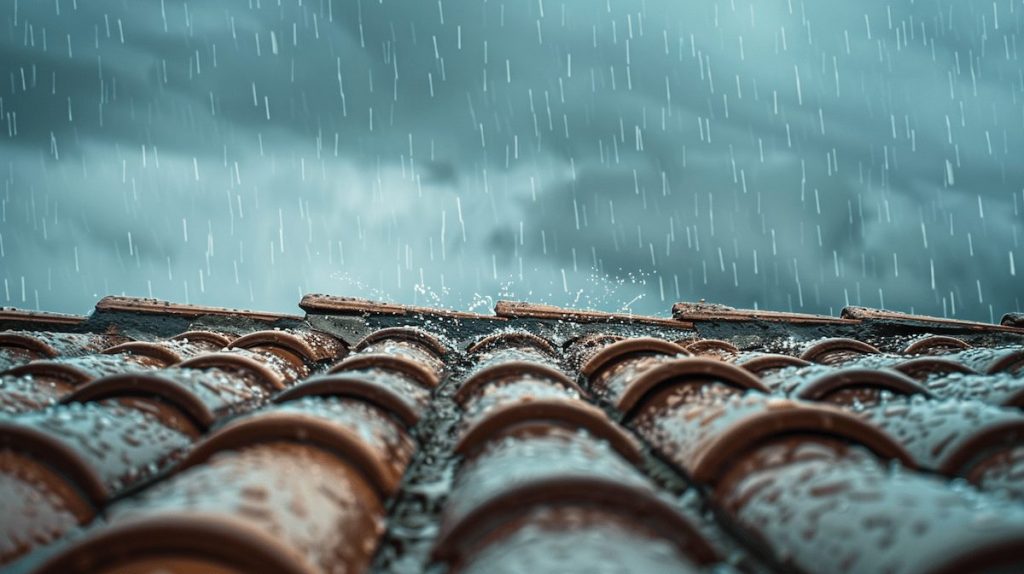
The climate of Florida is moist throughout, and this is where the clay roof tiles can shine. Since concrete is porous, it will absorb water more naturally, and this results in the growth of mildew and surface deterioration. The clay tile roofs are composed of dense and natural materials that prevent water and salt air as well, and therefore they are able to stay strong and colorful for decades. Clay roofing is also better when it comes to keeping water out, and its behavior remains constant during the humid climate in Florida.
4. Energy Efficiency
Florida homeowners also spend money on air conditioning since the sunshine is available throughout the year. It is possible to save a lot by choosing roofing material that cools interiors. Here’s how each fares:
- Clay tiles capture the natural heat and increase the ventilation of the attic, lowering cooling expenses.
- The concrete tiles, though thick, retain heat longer and give it back to the house over time.
- Tiles that are made of clay can be used to make the indoor temperature more uniform during severe summers.
In terms of aesthetics, clay wins this contest too; it has great thermal conductance and therefore is an ideal material to use in the Florida climate.
4. Aesthetic Appeal
Physical appearance is important, particularly in the Spanish and Mediterranean neighborhoods in Florida. Clay tiles also possess a warm, natural appearance that does not fade away due to the color being baked into the tile itself.
Concrete tiles could be painted in a variety of colors, whereas painted concrete tiles peel off and even lose their color over the years. The clay roof tiles are verrea and they do not fade in color for decades, and are a form of long-term investment in style. The clay is strong in color and beauty, which would be used to construct in the Florida coastal area.
5. Cost And Value
The first aspect that homeowners can find has a significant difference in terms of costs is the initial cost.
- The concrete tiles will need to be sealed, repainted, or changed sooner, which increases the long-term costs.
- Clay tiles are constructed with a longer life of decades of weathering, fewer roof repairs, and other enhanced values.
Concrete is a winner in the first cost saving, but clay has better lifetime value and service life, which is a consideration in the Florida environment and resale issue.
Although both roof tile types offer longevity and aesthetics, the reaction of each to the Florida climate of heat is what the actual story is to be told. To see the comparison between each one and the Sunshine State in relation to its environmental challenges, one needs only consider which one lasts longer in the Sunshine State and its sun-drenched environment.
6. Maintenance Considerations
Both clay and concrete tiles are not very demanding as far as their maintenance is concerned, as opposed to other roofing materials, such as the asphalt shingles, yet there are significant differences:
- There will be a need to have concrete tiles sealed or painted after some time.
- Clay tiles have natural finishes where cleaning is only done occasionally.
- In case the broken tiles have to be replaced, the clay replacements are simpler to match the color of because the natural coloring is even.
Never attempt to employ any tile roofing contractor who has not been certified and who has not done tile installations before. The installation of even the best quality roofing materials can be ruined by a poor installation.
 Cost vs. Long-term Performance
 Cost vs. Long-term Performance
When it comes to deciding whether to use clay or concrete tiles as roofing material, it is not the price that matters, but more the performance of each of the products throughout the time frame and what that would translate to in the long-term value.
The comparison:
- Average Lifespan Clay roof tiles will last 75-100 years; concrete tiles will last less than half of that.
- Water Absorption in clay tiles is low, whereas concrete is permeable, making it more prone to maintenance in wet weather.
- Maintenance: Clay tiles need minimal upkeep; the roof made of concrete might have to be resealed or repainted.
- Weight: Clay is light in weight and will not be stressful to the roof structure; concrete tiles, on the other hand, are heavy and might need reinforcement.
- Heat Resistance: Clay is a great reflector of heat; concrete holds more heat.
- Aesthetic Longevity: Painted concrete tiles can fade away, whereas baked-in color in clay is forever.
- Price: Concrete is typically lower in the short term.
- Long-Term Value: Clay is better performing, has lower lifetime maintenance, and lasts longer.
Florida residential owners might think that a concrete tile roof is a cheaper option, but clay roof tiles can prove to be more worthwhile in the long term. Clay is a better long-term investment compared to Florida homeowners who want to be beautiful and have a long lifespan.
The Verdict: Which One Is The Best In Florida Homes?
Clay tiles are more waterproof, stronger, and much more energy efficient. The color does not dull over decades of exposure to the rough sun and salty sea air, whereas the concrete tiles lose their color and need even more maintenance.
Even though concrete as a whole is cheaper than clay, it weighs more, has a higher maintenance cost, and has a shorter lifespan and therefore, it is not a good fit in the extreme climate of Florida. Verea Clay Tile provides the superior option when homeowners are investing in a new roof that has long durability, as the one that has a combination of beauty, performance, and durability.
Verea produces quality Spanish clay tiles with the latest European technology and inspects each tile by hand in terms of strength and consistency, as well as weather resistance. Verea has been providing good materials and professional assistance to the contractors and the homeowners in terms of total roofing projects and roof maintenance. Call us today to learn more about Verea and its assortment of clay roof tiles and discover how a proper selection of roofing can help make your home lovelier, more functional, and worthwhile over the generations.